

… the second day in Japan just started. 😀 Today the plan was to have a guided day tour in Tokyo. Nothing like a local tourist guide explaining everything about this exciting city. They share some facts, figures, dates, and historical events. Not too much data, just enough to make the day more memorable.
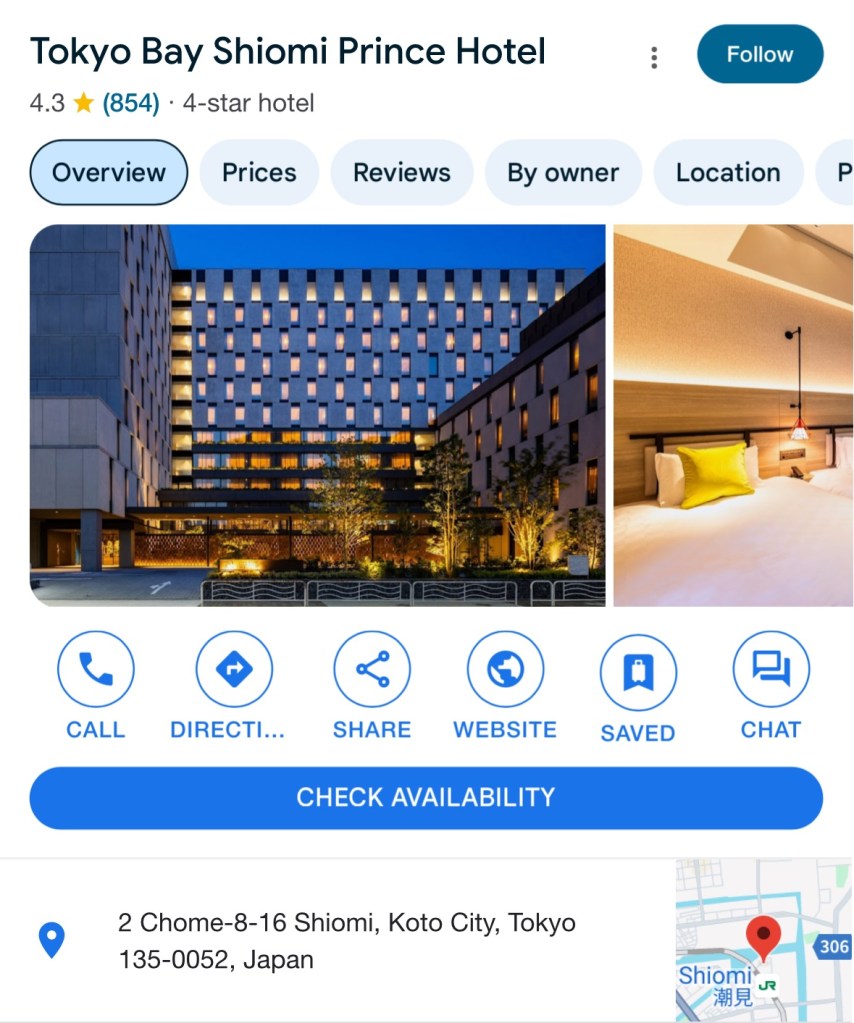
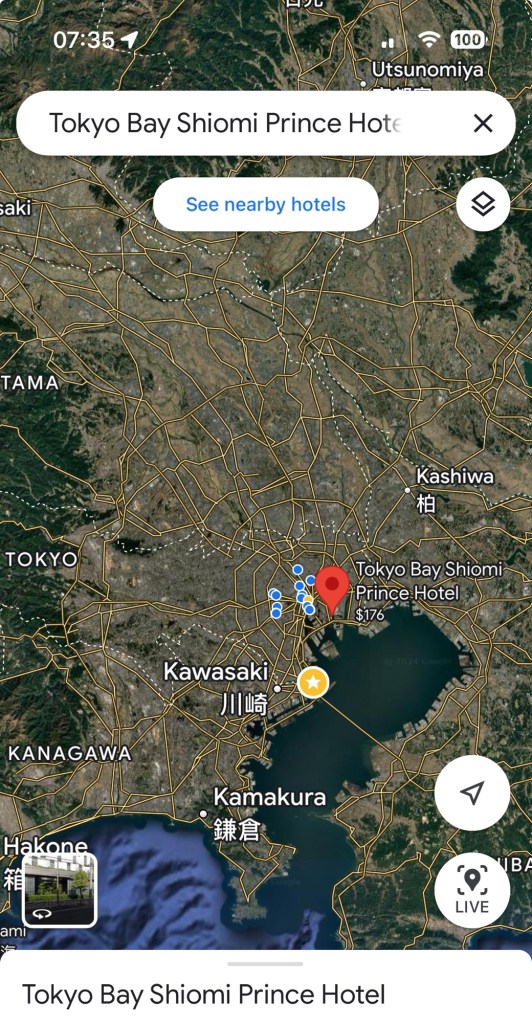
I forgot to mention it on Day 1… the hotel. We stayed at Shiomi Bay Prince Hotel, a 4 Star hotel for a very reasonable price. New, modern, stylish in a Japanese own way. I can only recommend.

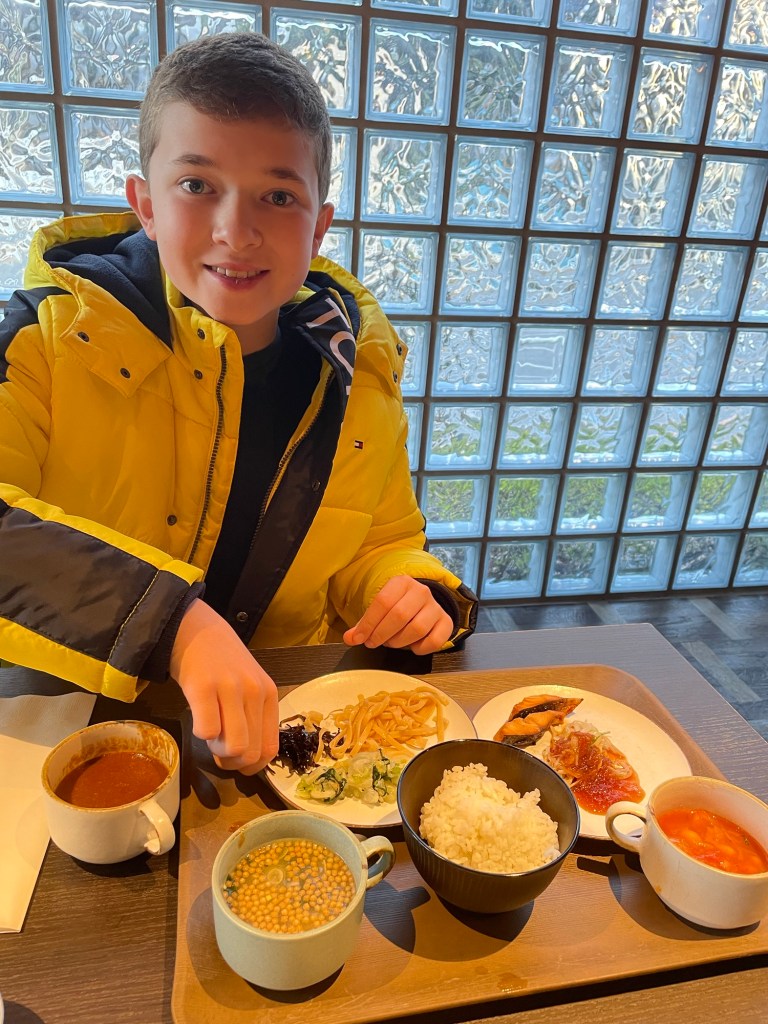
The breakfast was simply amazing. An endless buffet with western and Japanese food. I had original Japanese style breakfast every day! 😋
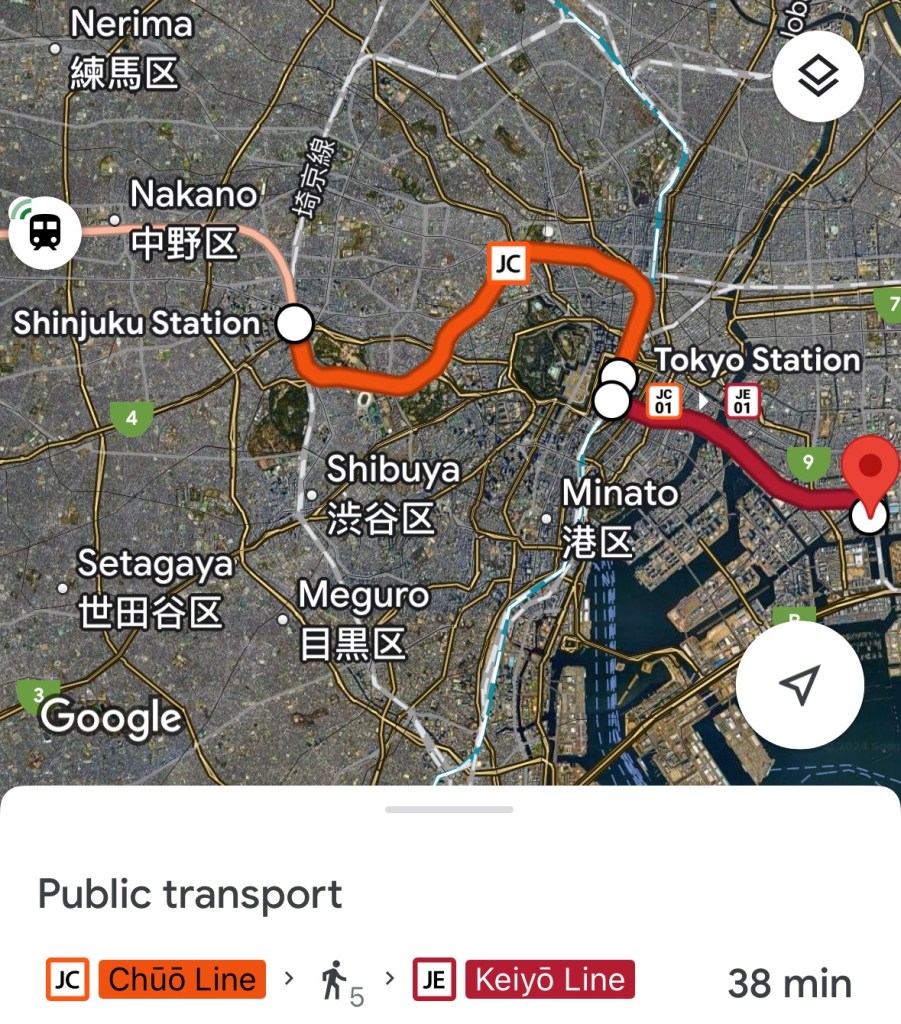
You can use the Uber App in Japan. The App connects you to Uber Drivers and Taxi drivers. It is super convenient. But Uber is not the most used service, Taxi GO is the mostly used and it works perfectly. Download the App, create an account in 2min and you are good to go.

By the way, in Japan they drive on the right side of the car! 😳
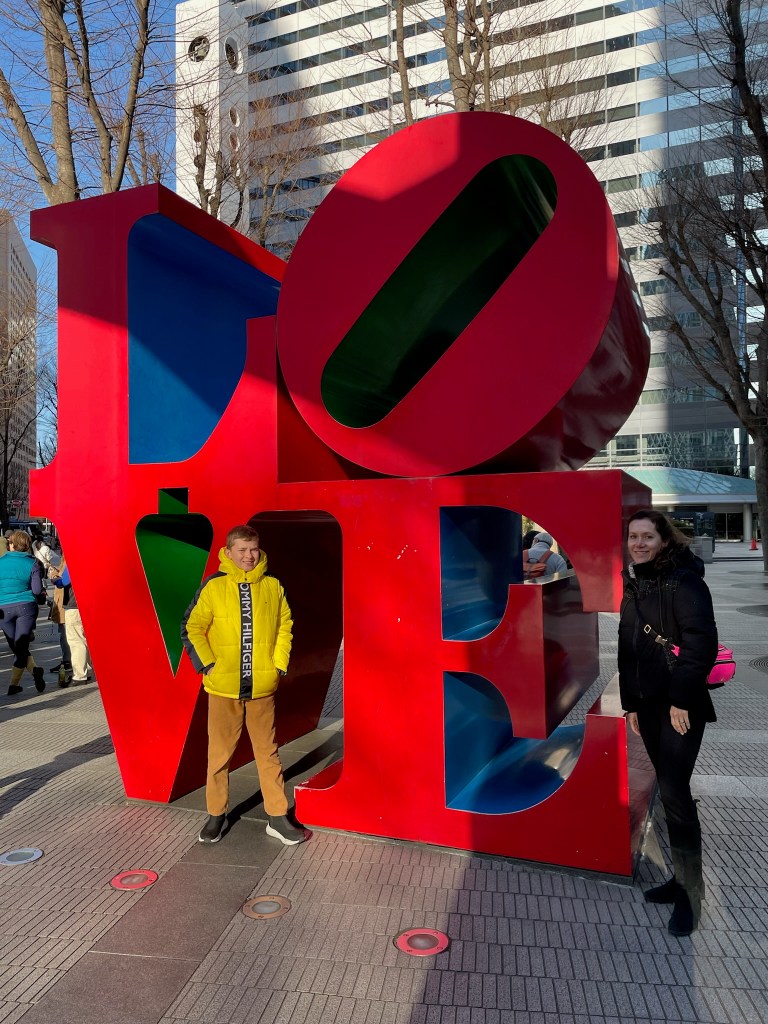
The meeting point to meet the group tour is the LOVE sculpture near Shinjuku Station. Most of the tours in Tokyo start or end at this place.
By the way, Shinjuku Station is the largest and busiest train station in the world. 3.5 million passengers daily. It serves as a major hub for both local and regional train lines, including the JR East, Tokyo Metro, and private railways. Opened in 1885, it has over 200 exits and is connected to a vast network of shopping malls, restaurants, and offices. The station’s complex layout can be confusing for visitors, but it’s an essential transit point for accessing major parts of Tokyo, including Shinjuku’s business and entertainment districts.
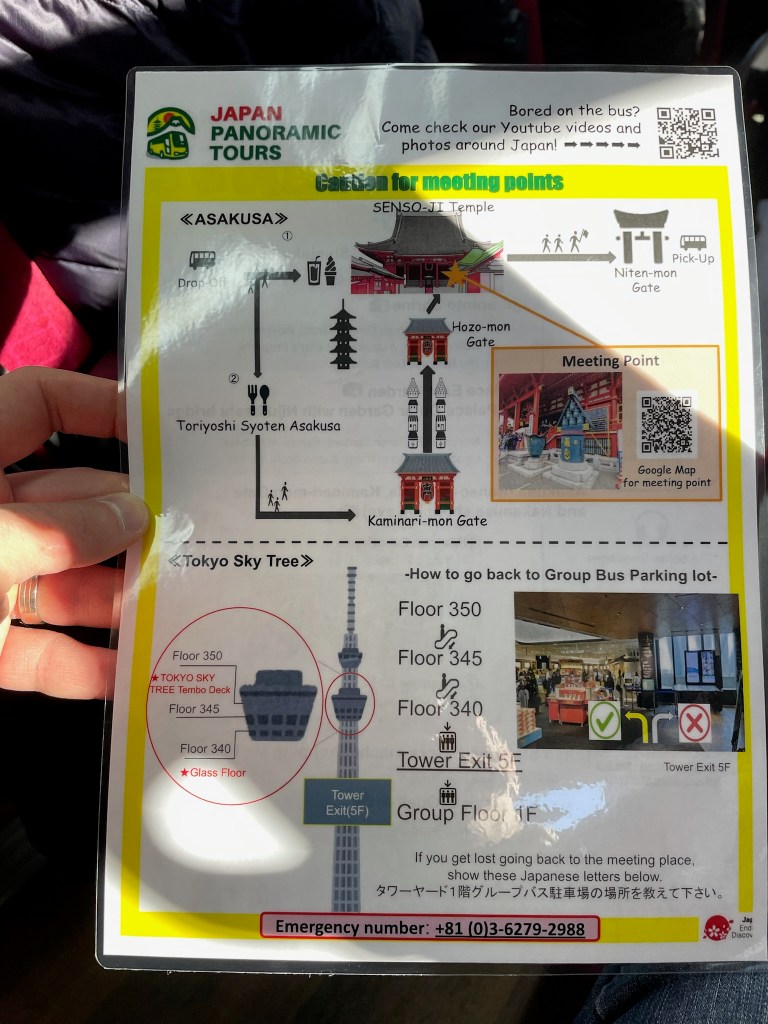
We found our tour. Here is the information about our tour, itinerary and stops. It was a great tour, on the pictures you can find the name of the tour, I highly recommend!

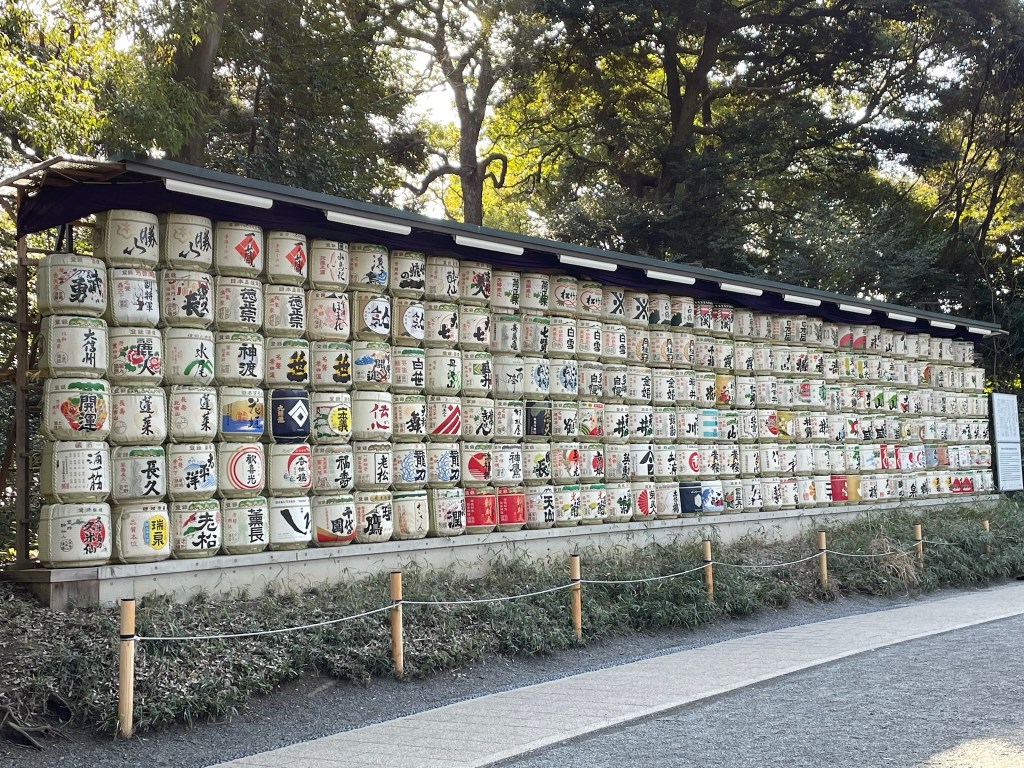
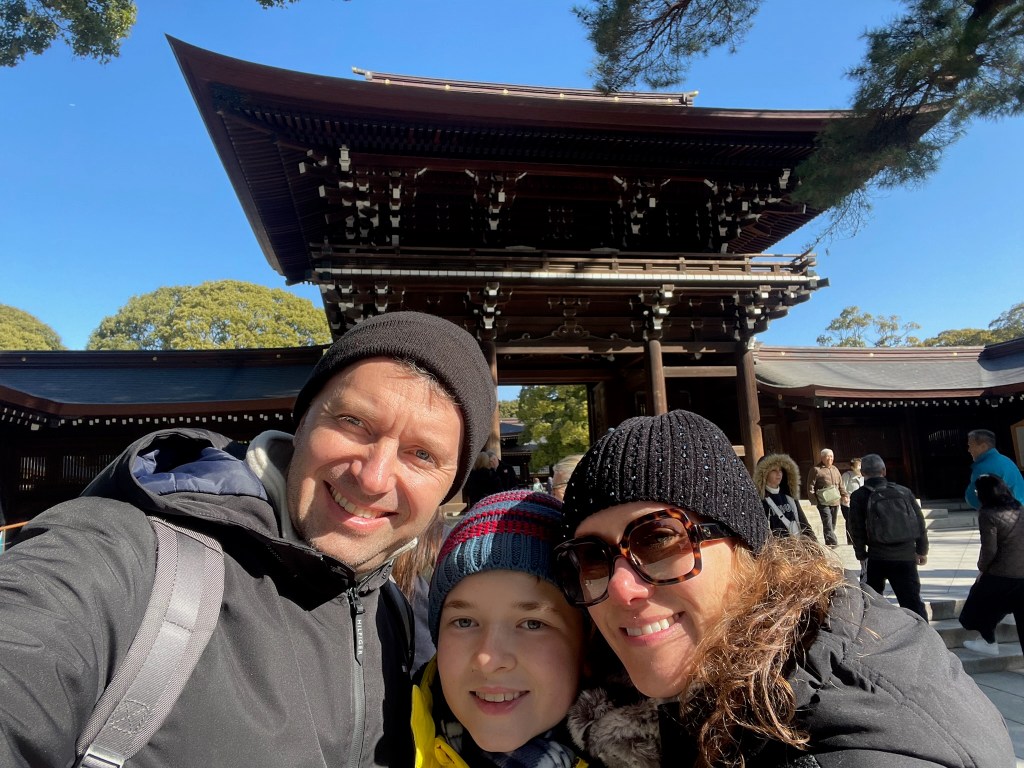
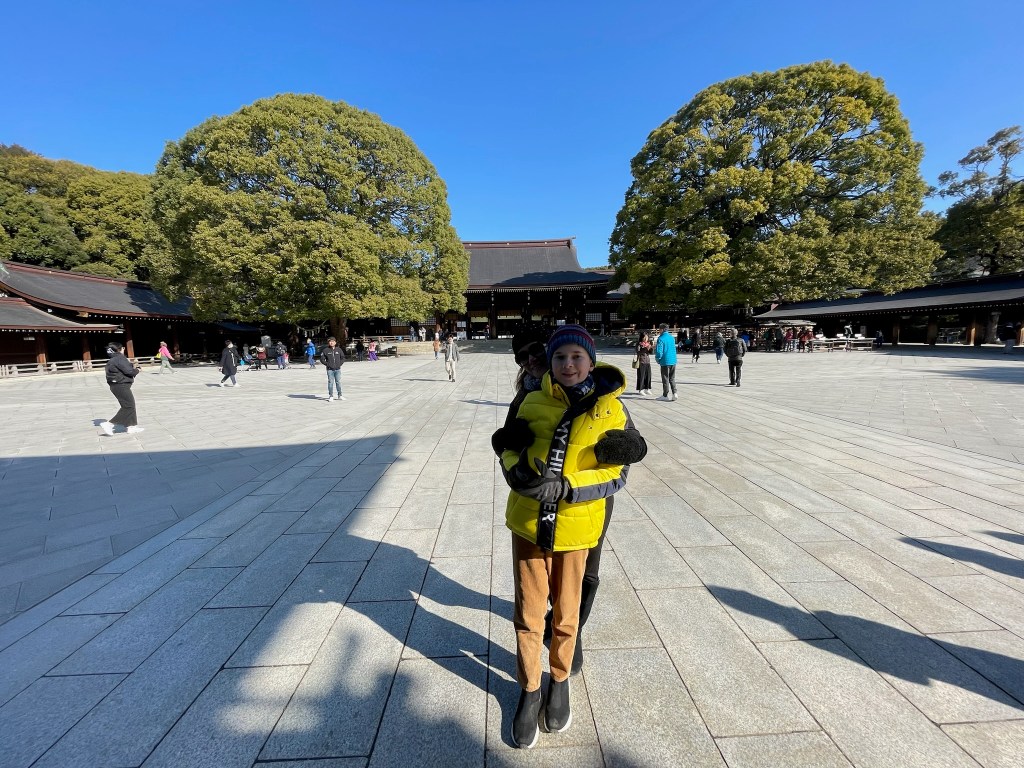
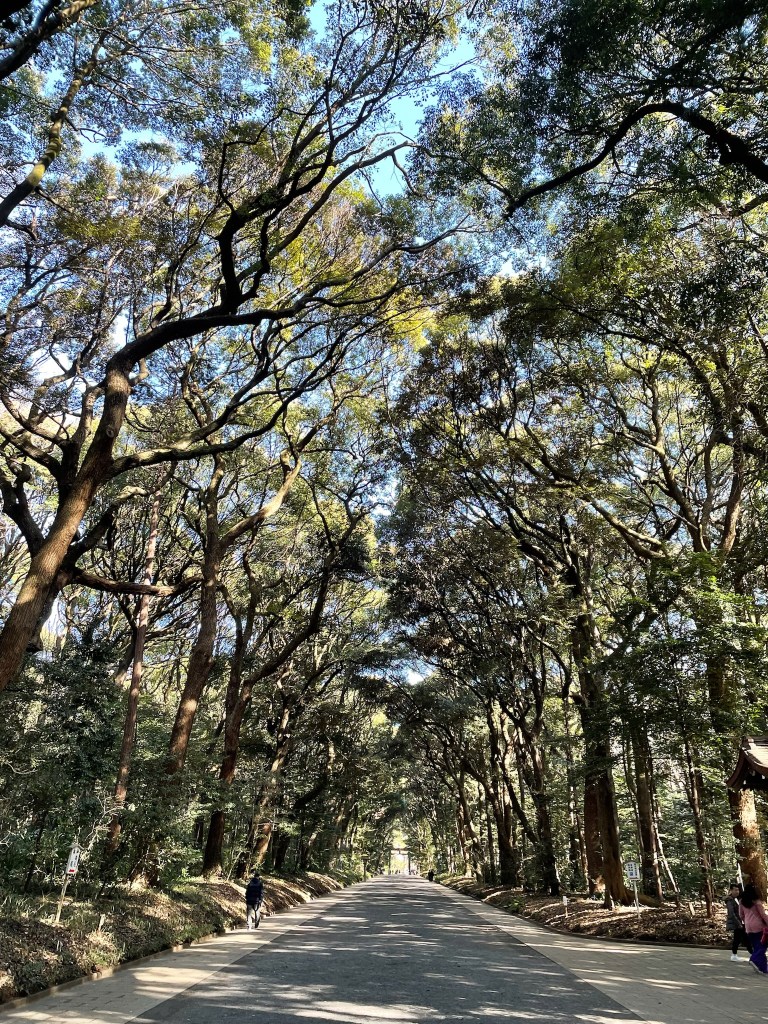
First stop: Meiji Jingu Shinto Shrine. Here some facts about this Shrine “The Meiji Jingu Shinto Shrine is one of Tokyo’s most significant and visited shrines, dedicated to Emperor Meiji and Empress Shoken. Located in a large forested area in the heart of the city, it was completed in 1920. The shrine is a major symbol of Japan’s modern imperial history and Shinto religion, and it attracts millions of visitors annually, especially during New Year celebrations. The shrine is known for its traditional Torii gate, serene paths, and being a peaceful retreat from the bustling metropolis of Tokyo” ChatGPT.
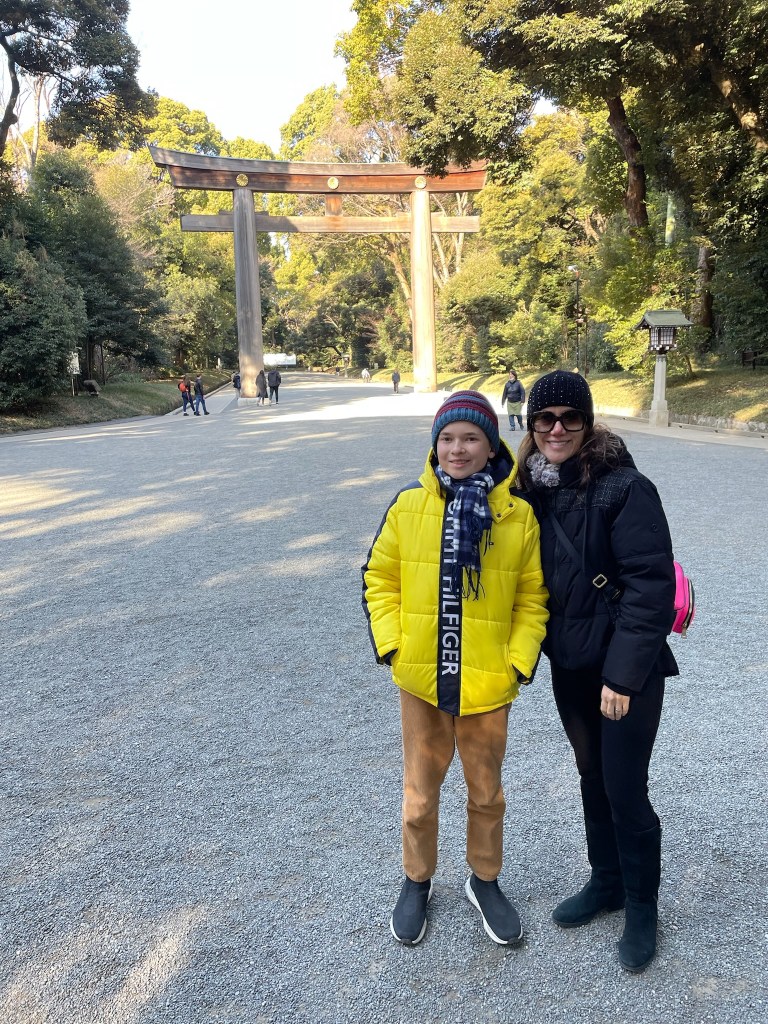
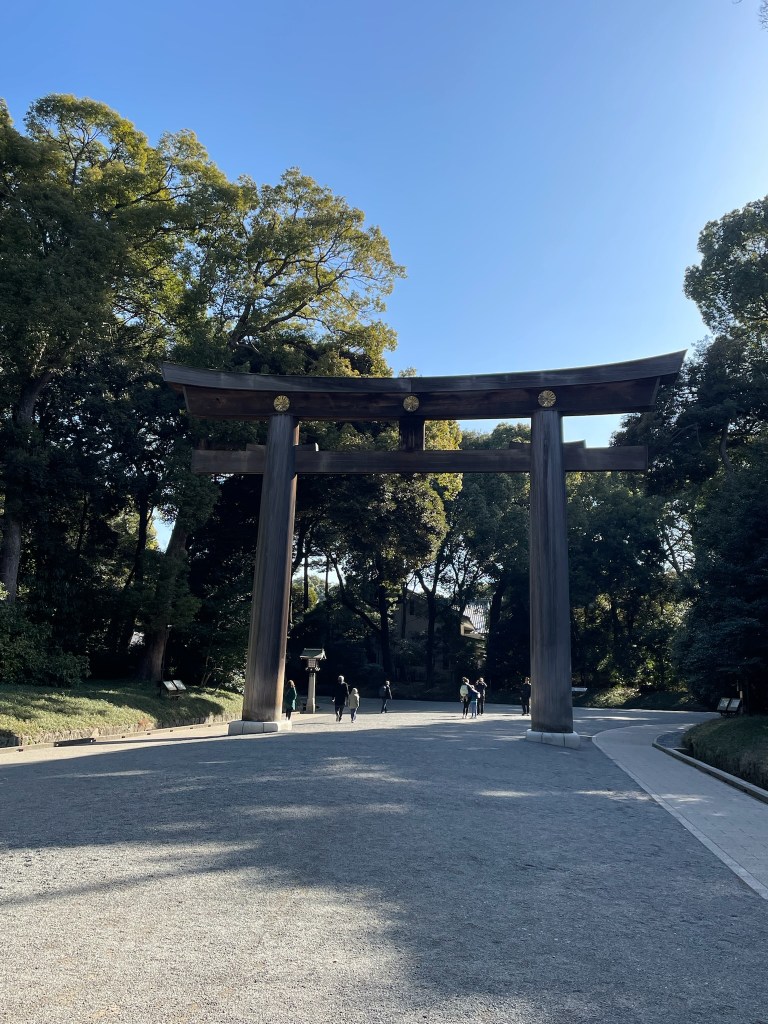
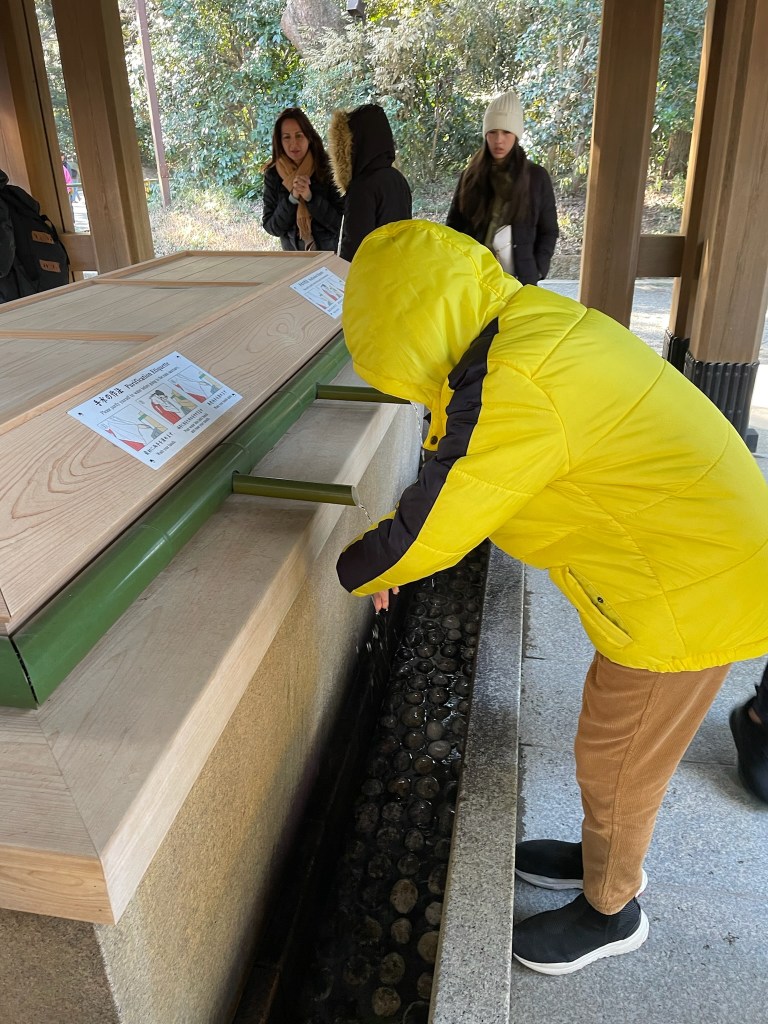
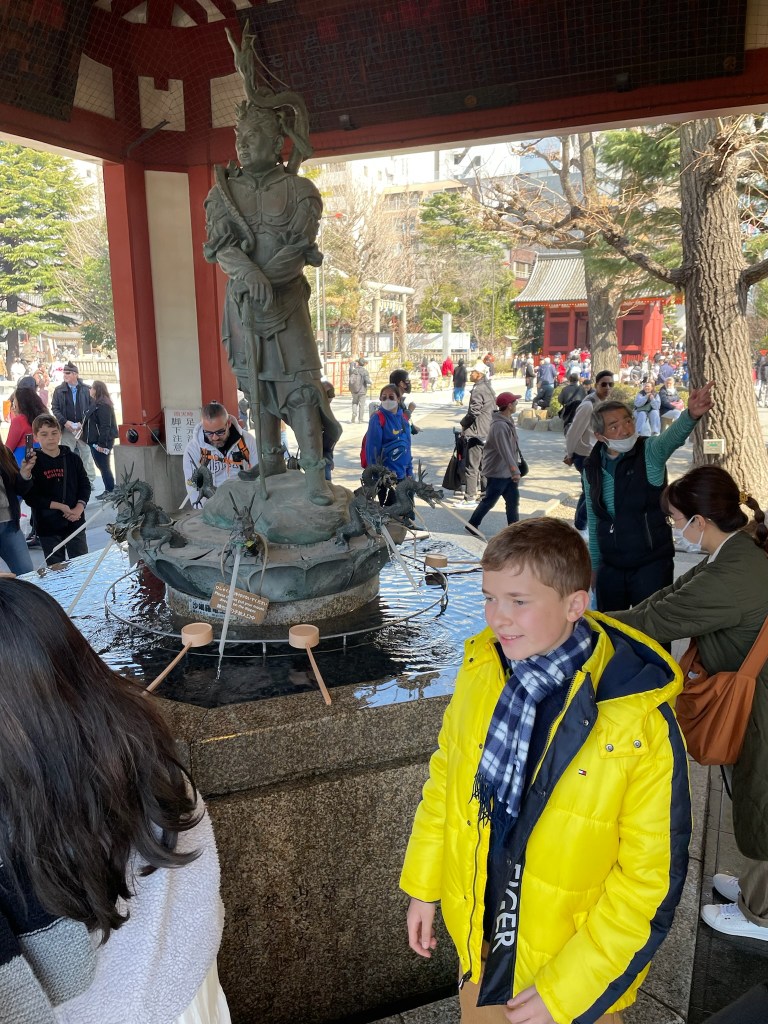
“At the entrance of Shinto shrines, visitors typically participate in a purification ritual called temizu (or chozu). This involves using water from a stone basin to cleanse the hands and mouth before entering the shrine. The ritual symbolizes spiritual purification and respect for the sacred space. To perform temizu, visitors use a ladle to pour water over their left hand, then right hand, and rinse their mouth (spitting the water out without swallowing) to prepare for prayer and worship inside the shrine.” ChatGPT.
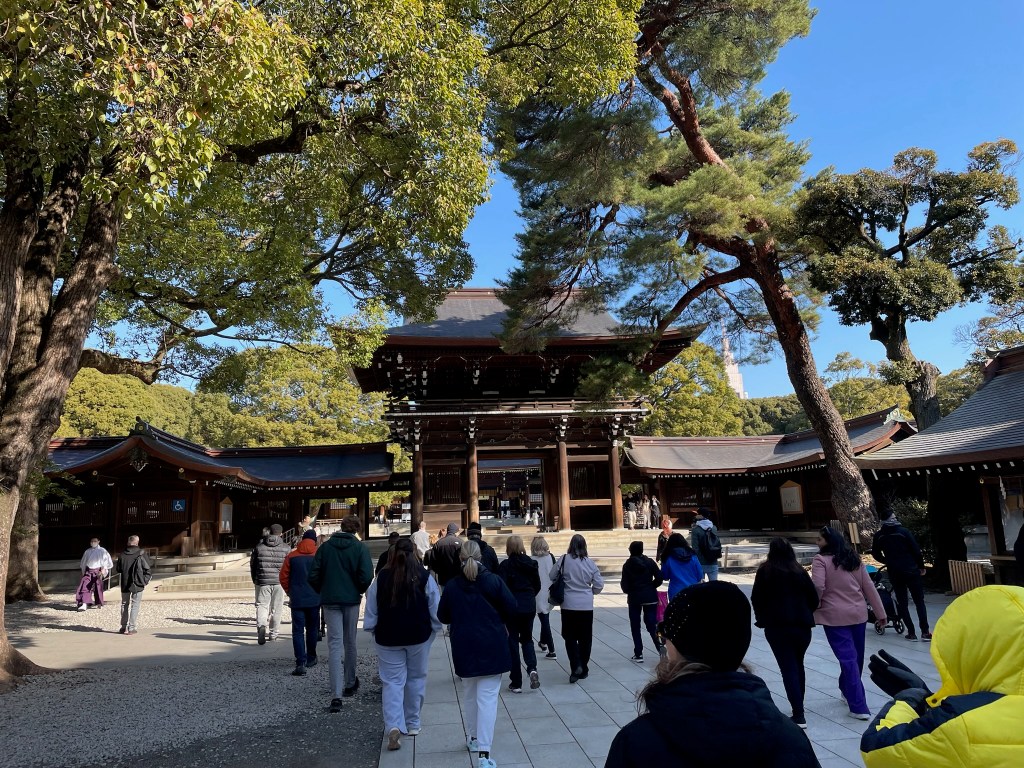
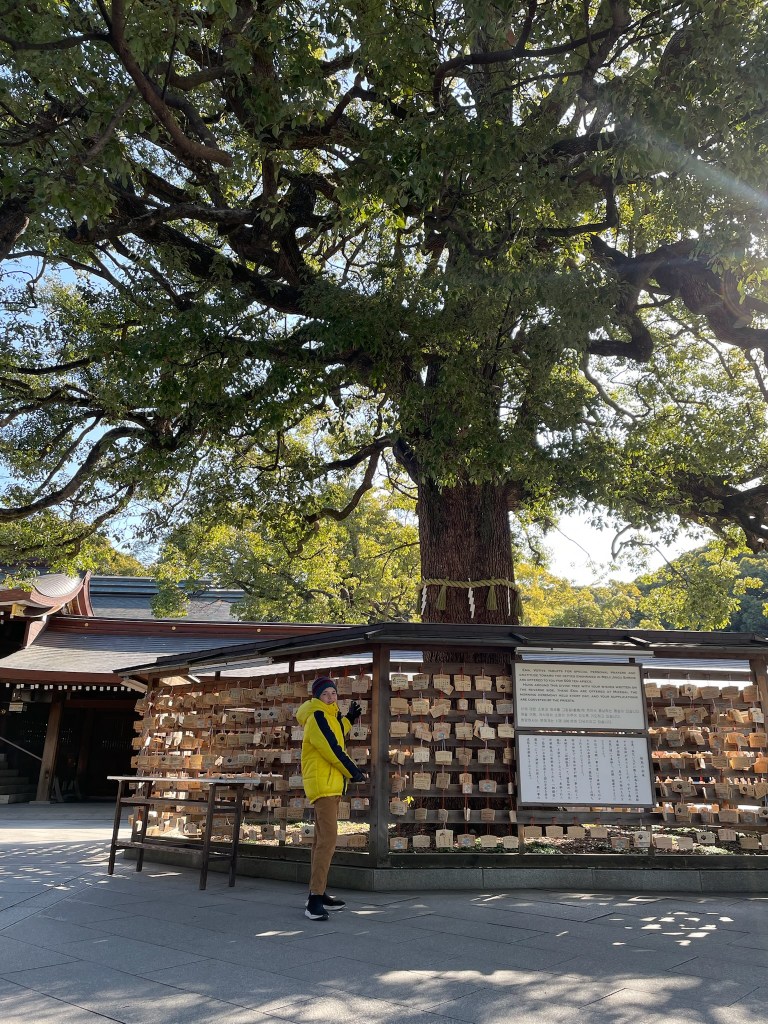
“The two gigantic trees inside the Meiji Jingu Shrine, known as the “Meoto Kusu” or “married couple trees,” are a symbol of unity and harmony. These towering camphor trees stand near the main shrine building and are tied together with a sacred rope called “shimenawa,” representing the bond between Emperor Meiji and Empress Shoken. Visitors often pray under these trees for a harmonious marriage and good relationships. The trees are believed to hold spiritual power and are an important part of the shrine’s natural beauty.” ChatGPT.
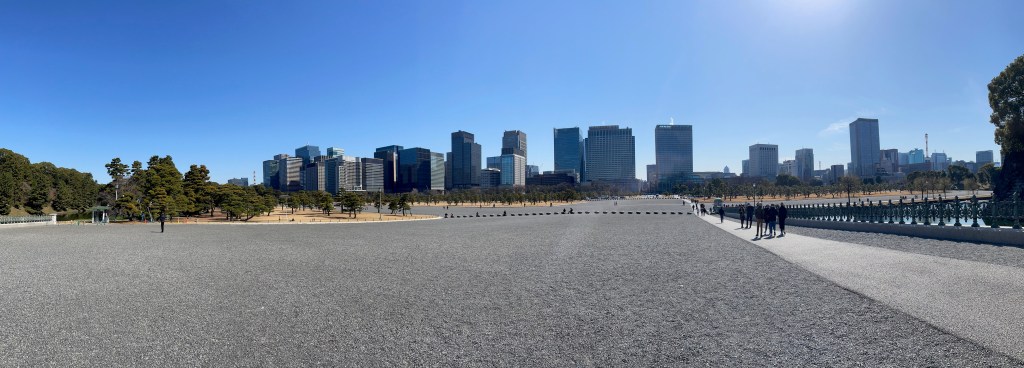
Second stop of the day: the Imperial Palace!
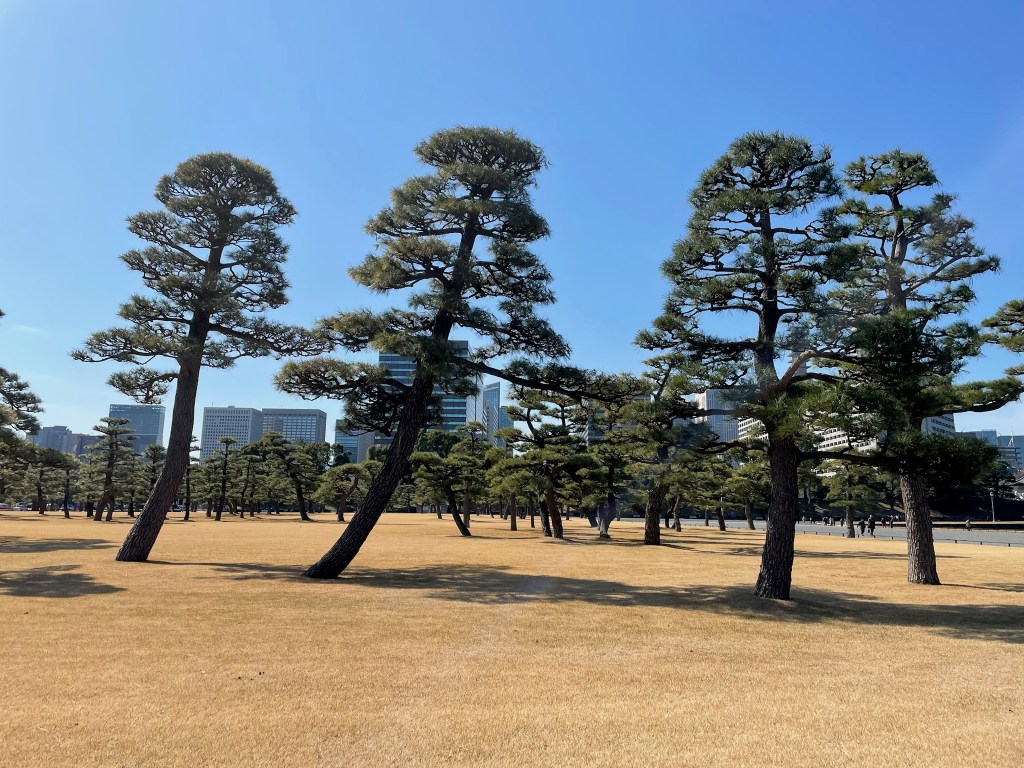
The first thing we saw was the statue of a Samurai on the horse. This samuray was so loyal to the emperor, that he became a legend in Japan. Here some more facts “The statue of the samurai on horseback in front of the Imperial Palace in Tokyo depicts Kusunoki Masashige, a famous 14th-century samurai and military strategist. Known for his loyalty and bravery, Kusunoki fought for Emperor Go-Daigo during the Nanbokucho period (Era of Northern and Southern Courts). The statue, located in the outer gardens of the Imperial Palace, honors his legacy of unwavering dedication to the emperor, and he is remembered as a symbol of loyalty and sacrifice in Japanese history” ChatGPT.


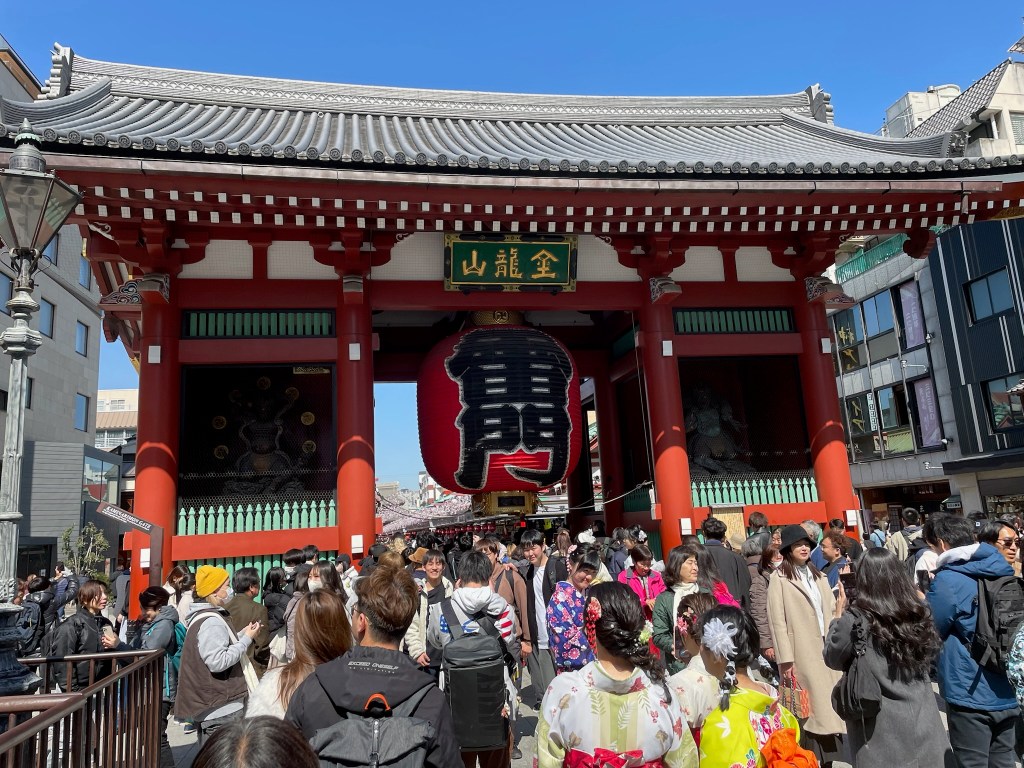
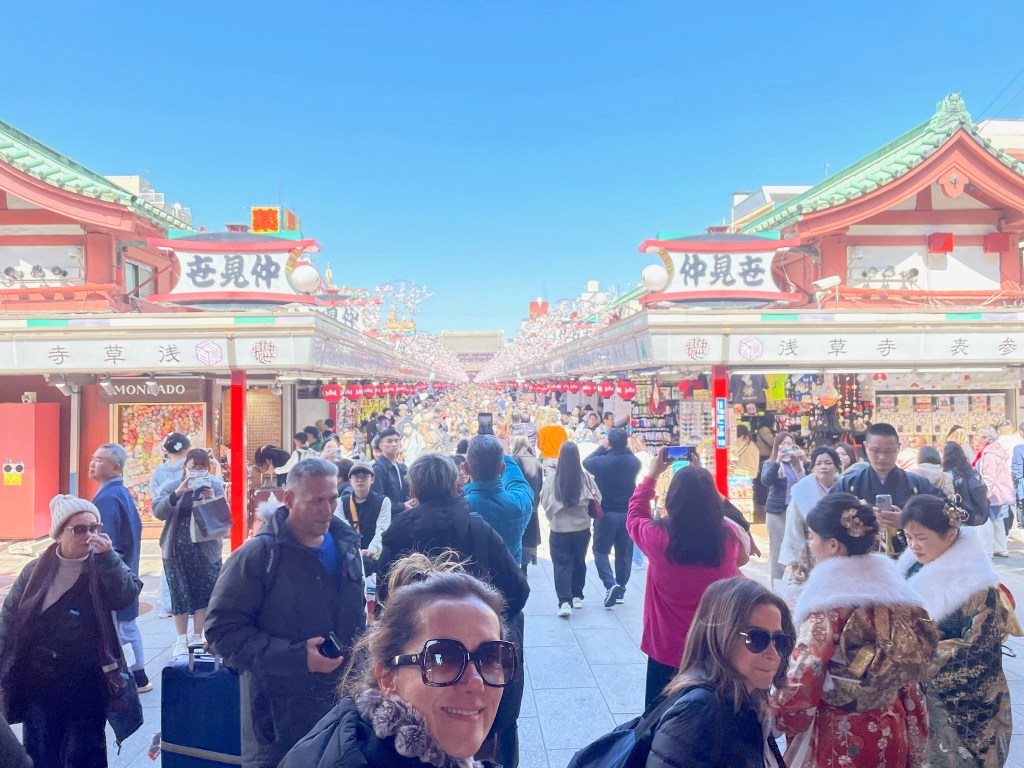
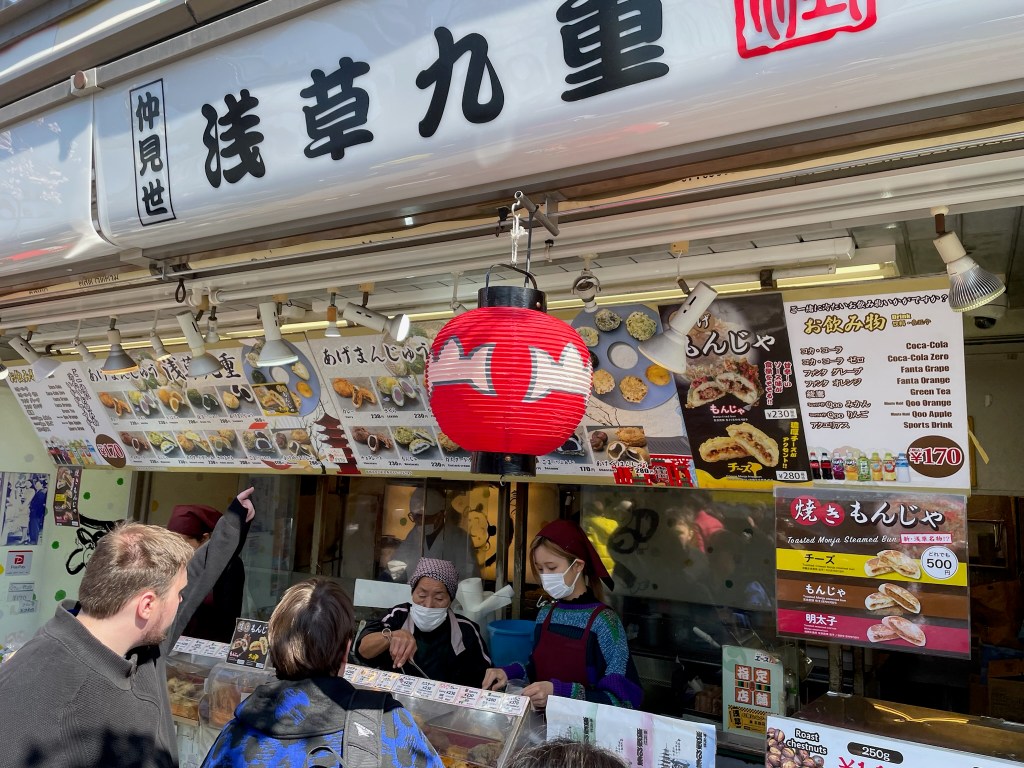
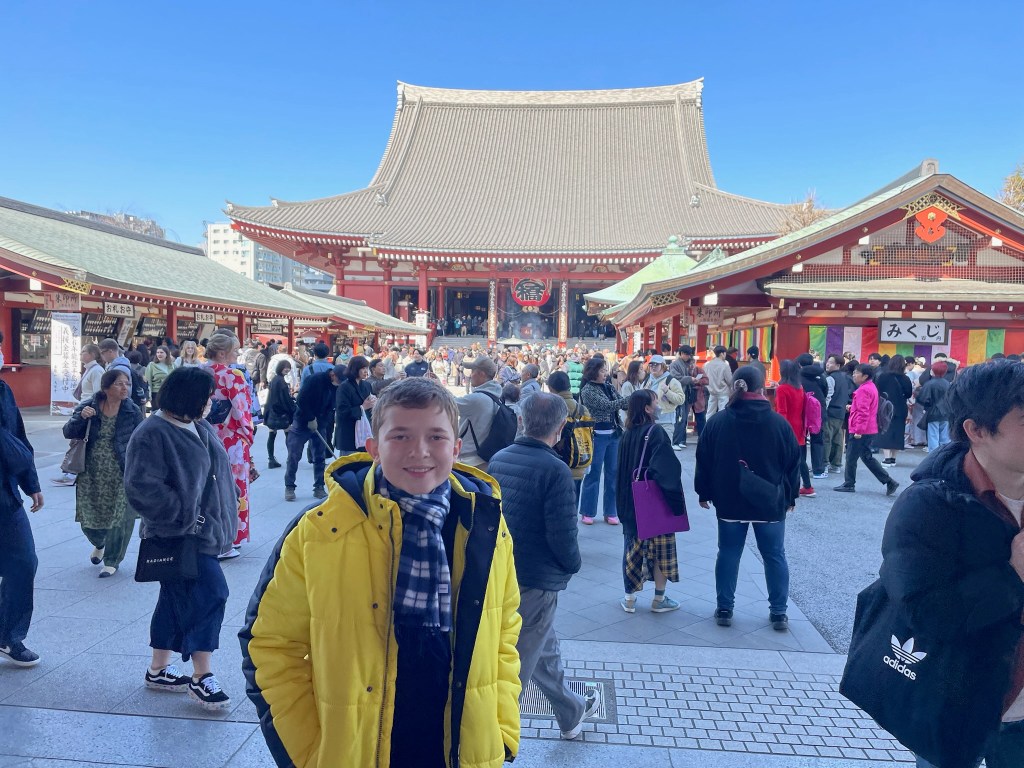
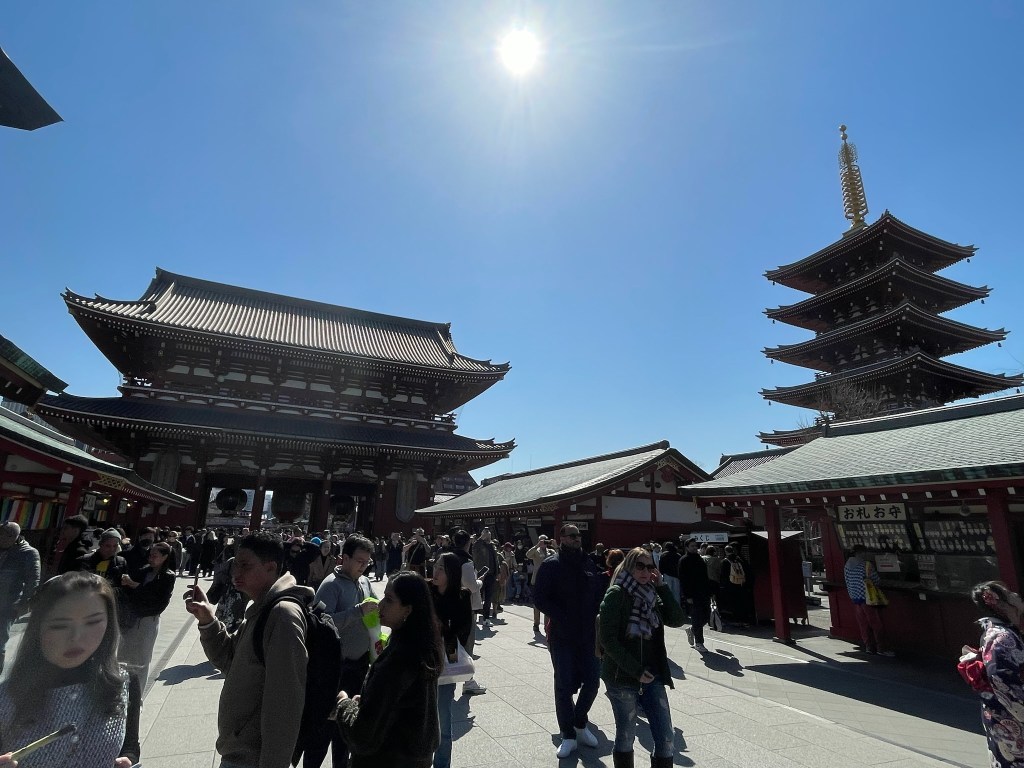
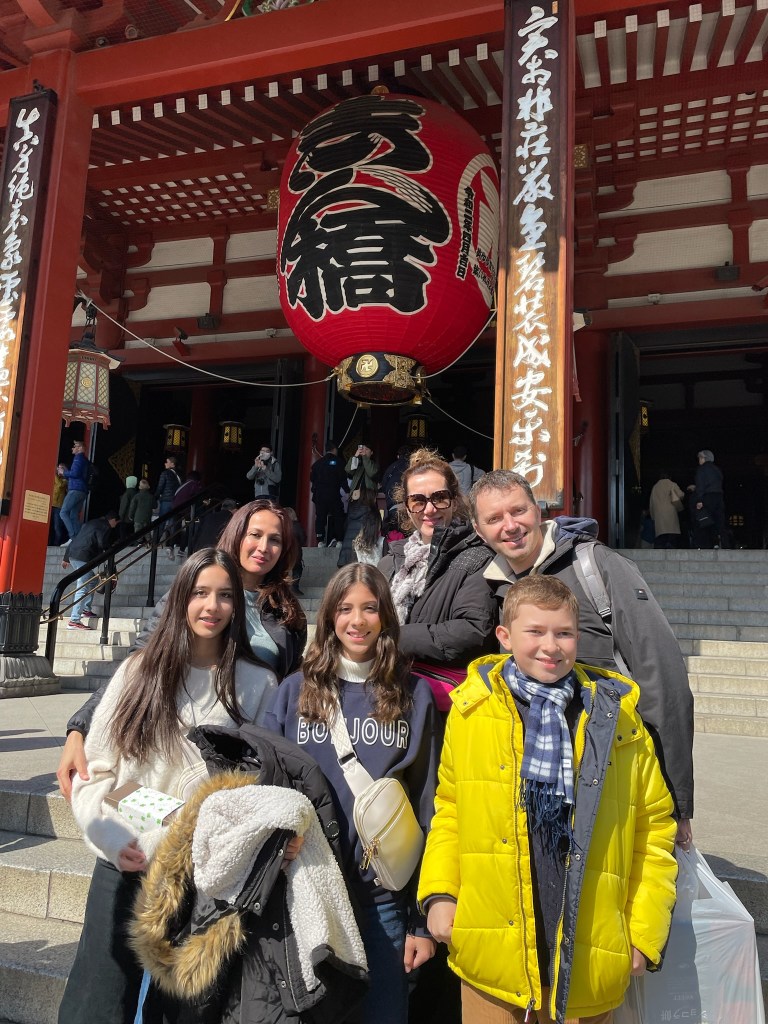
Third Stop: Asakusa. “Asakusa is a historic district in Tokyo, known for Senso-ji, Tokyo’s oldest and most famous Buddhist temple. The area has deep cultural significance, blending old traditions with modern life. Its location along the Sumida River provides scenic views, and it’s a popular spot for viewing Tokyo Skytree and enjoying traditional Japanese food and crafts” ChatGPT.

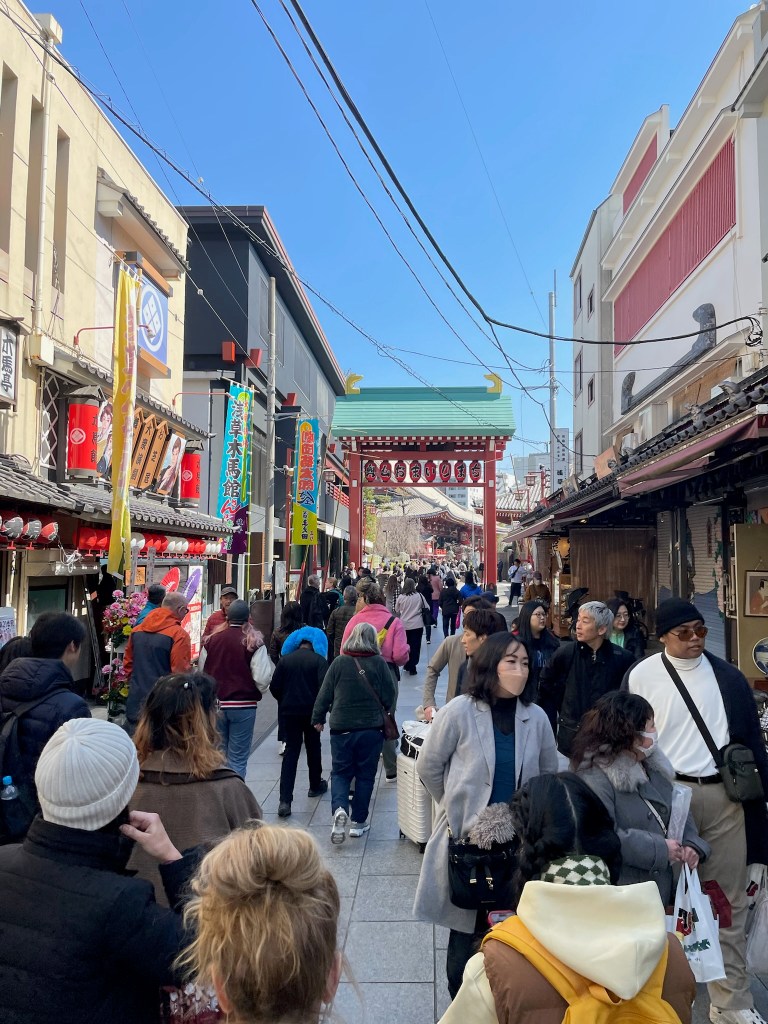
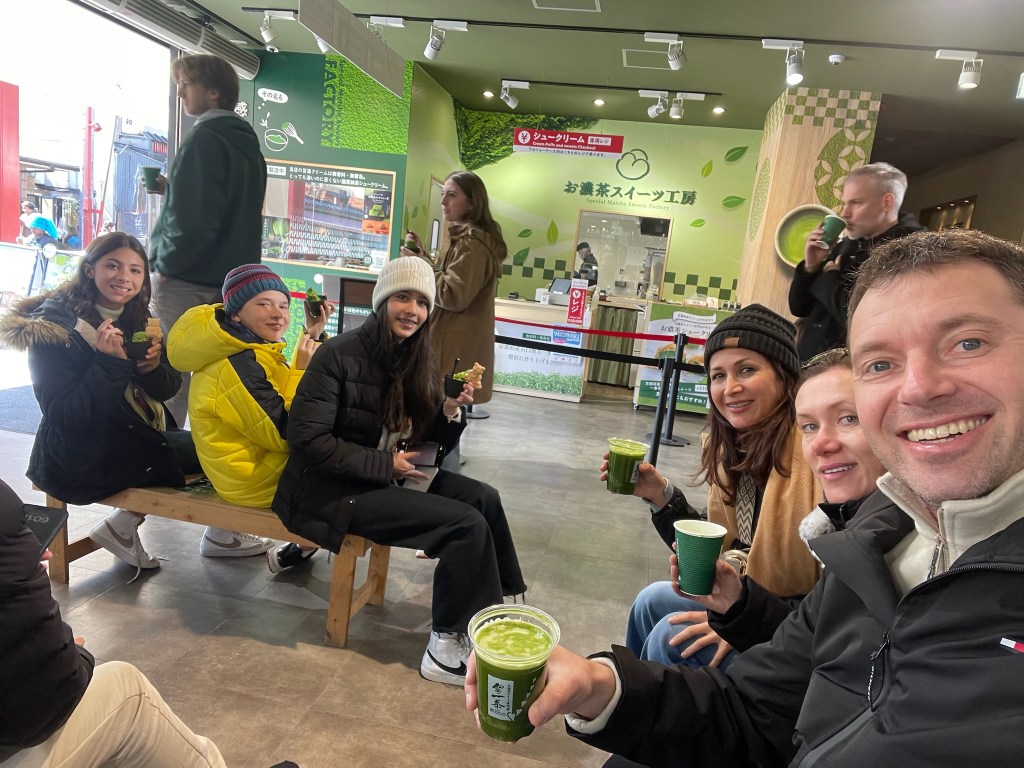
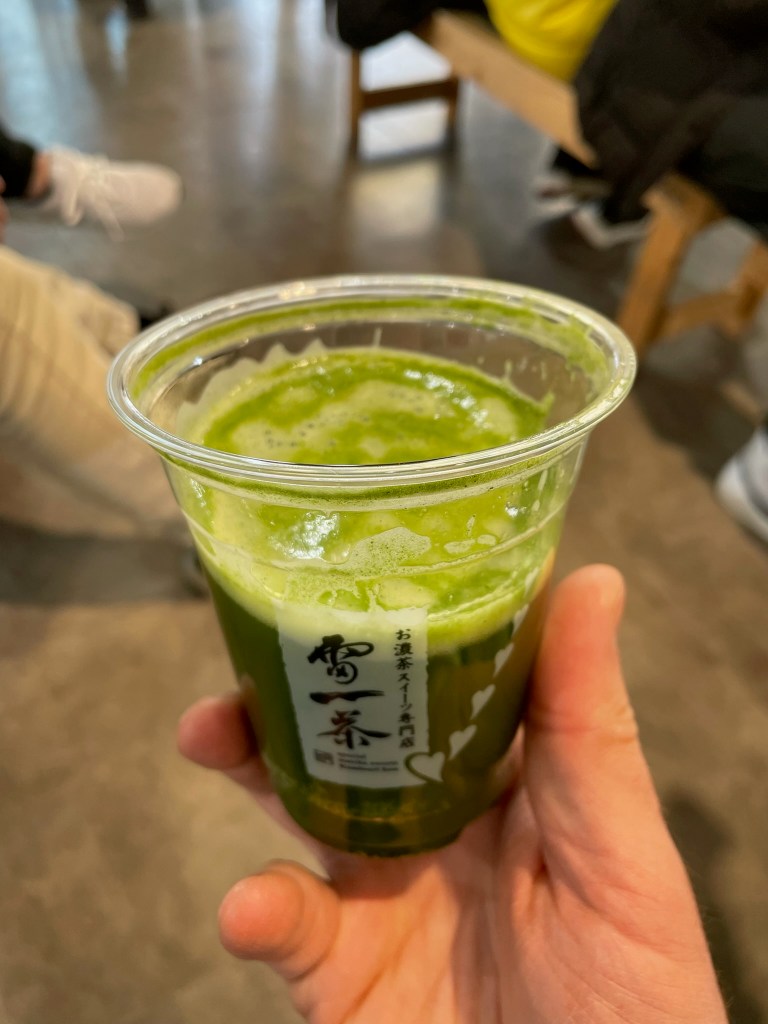
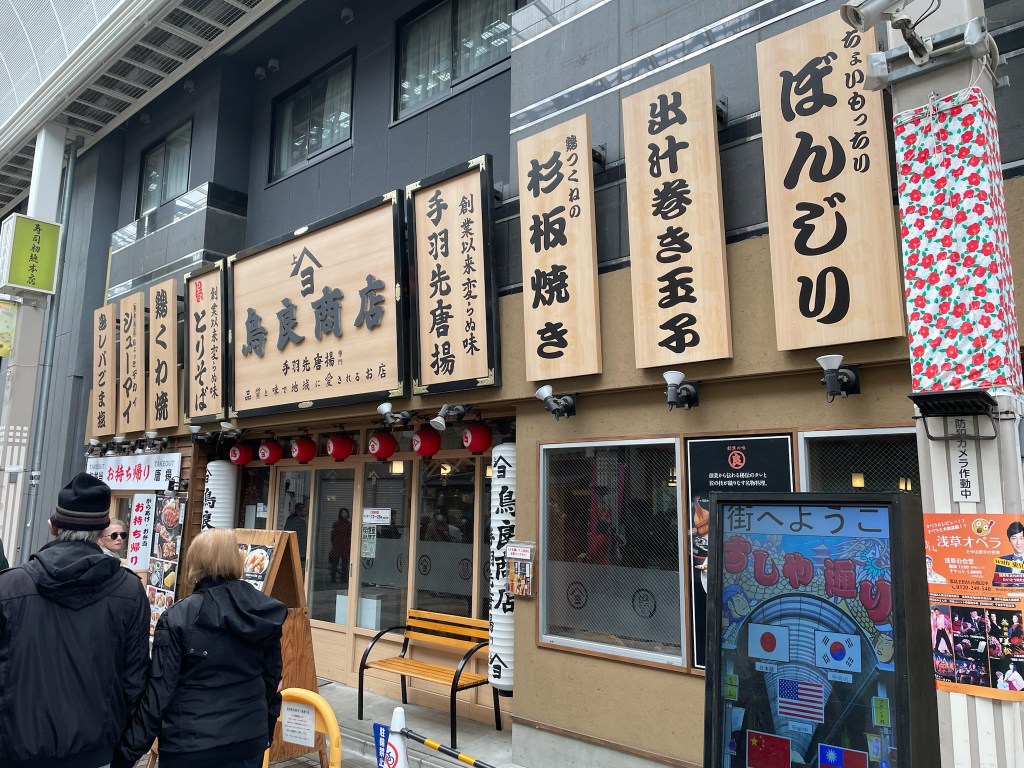
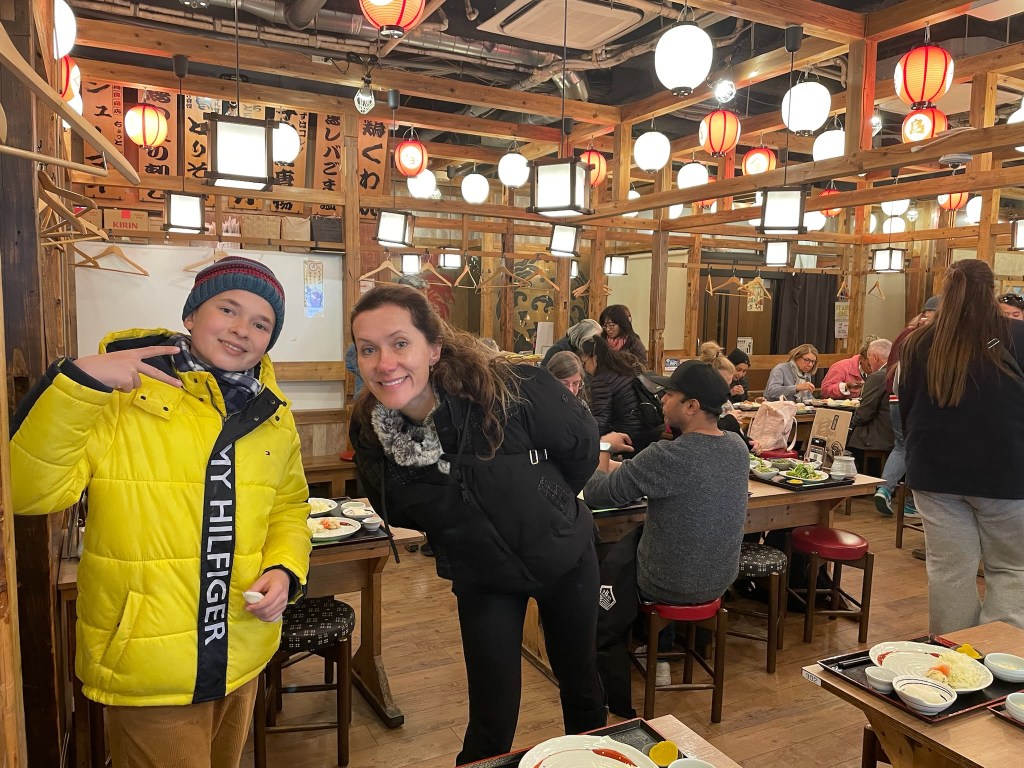
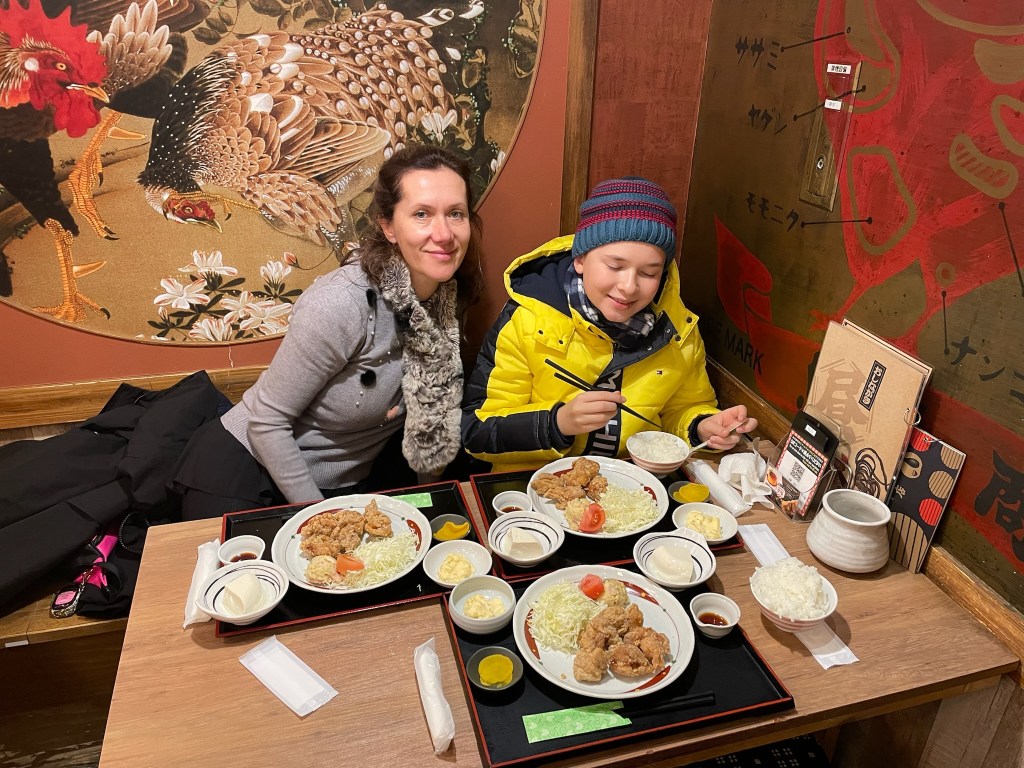
After lunch and batteries full, we kept walking. The guided instructed us to walk to the main Buddhist temple. So we went…

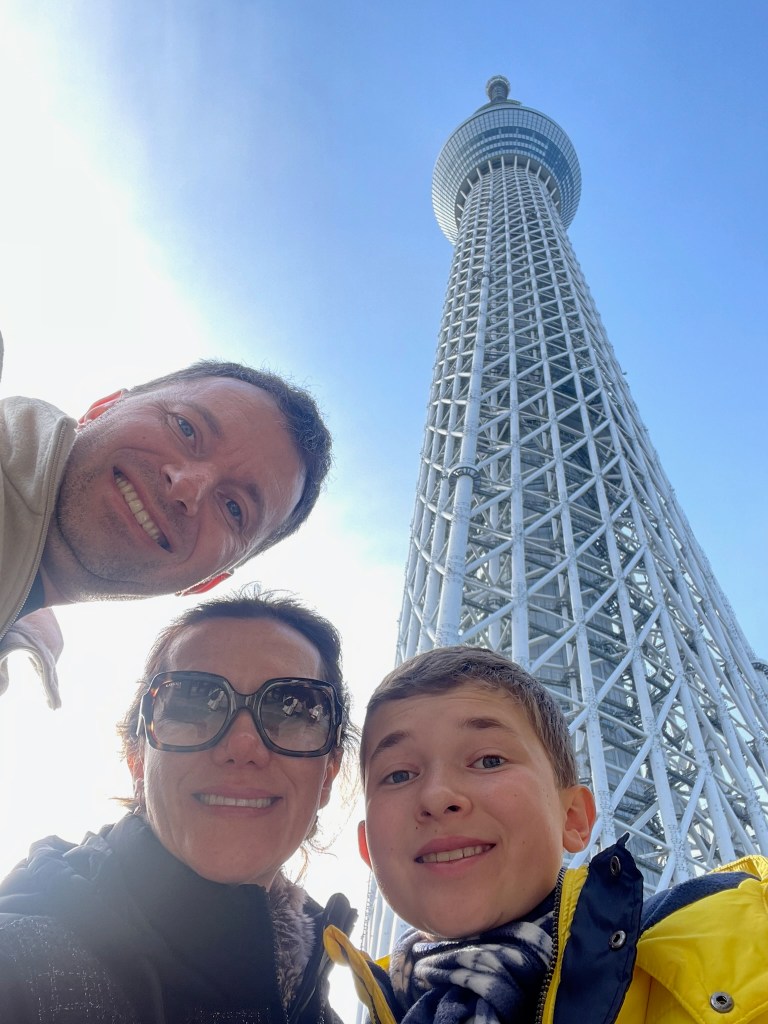
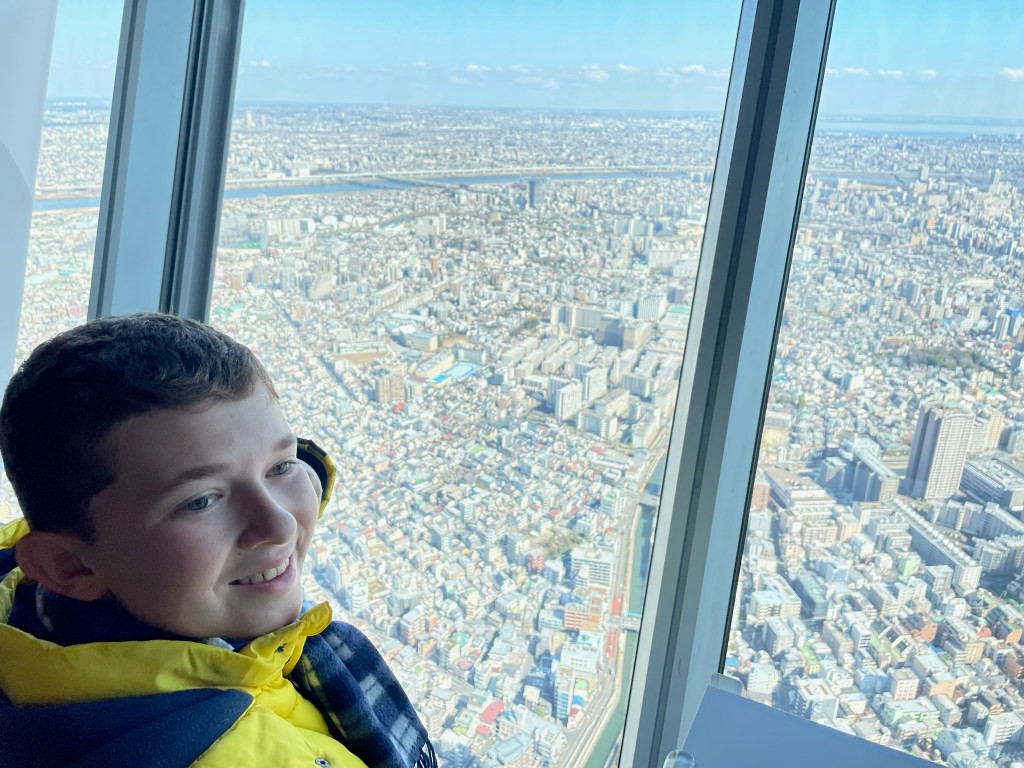
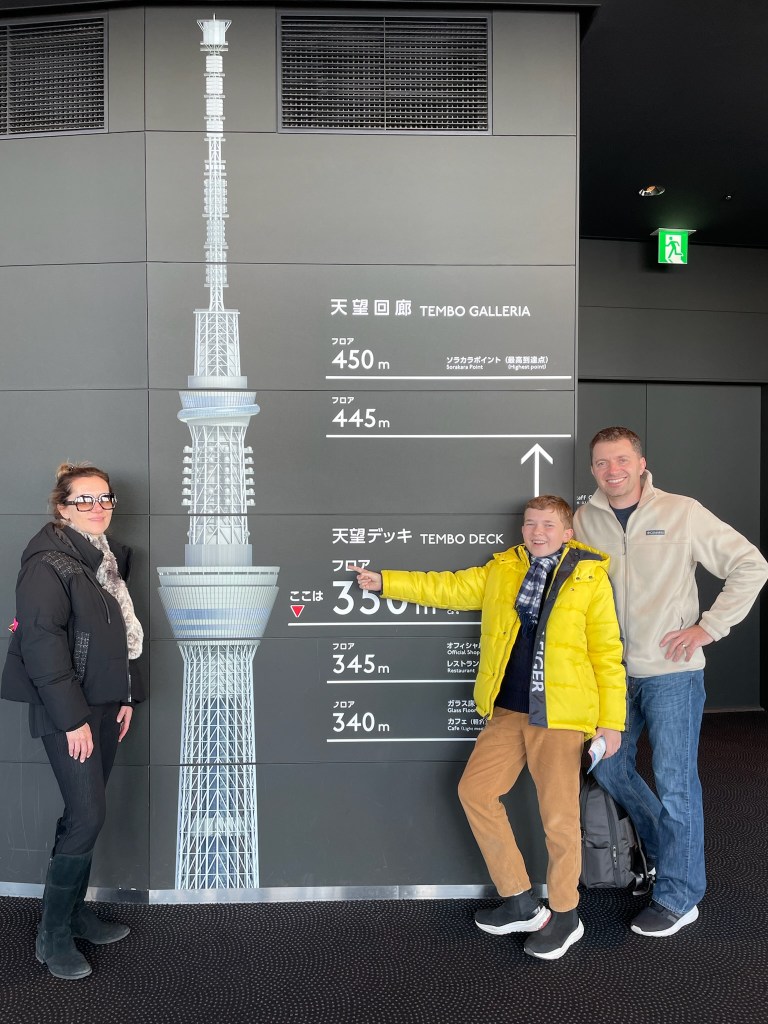
Fourth Stop: Tokyo Sky Tree
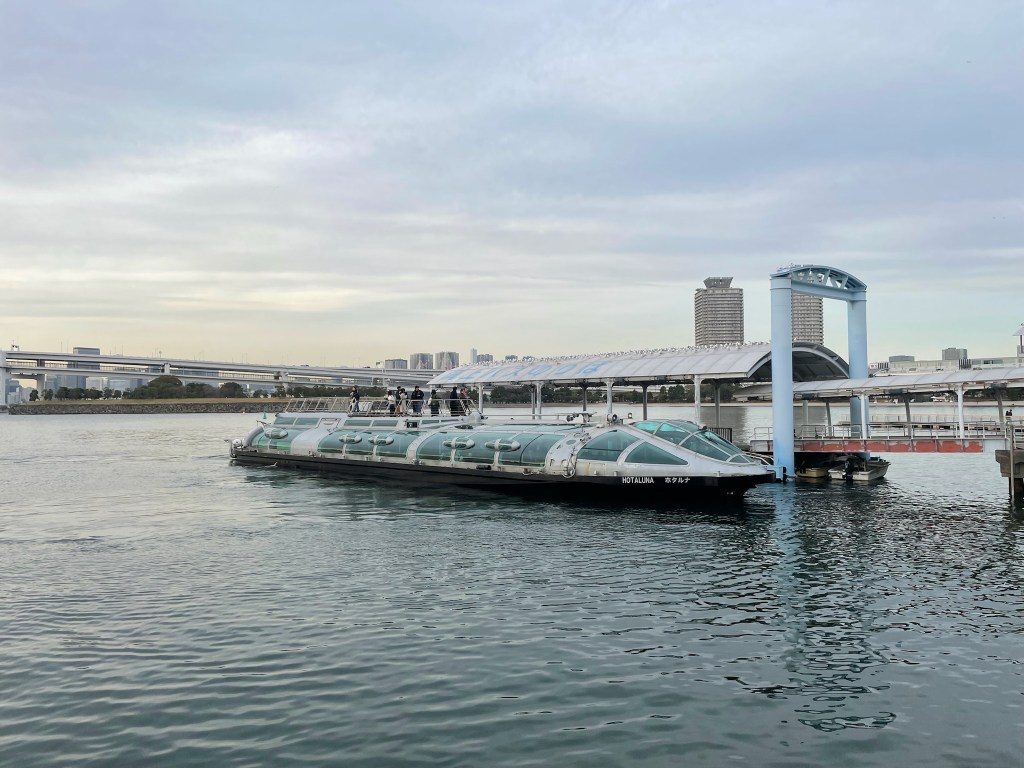
Fifth and last stop of the guided tour: Day Cruise in Odaiba.
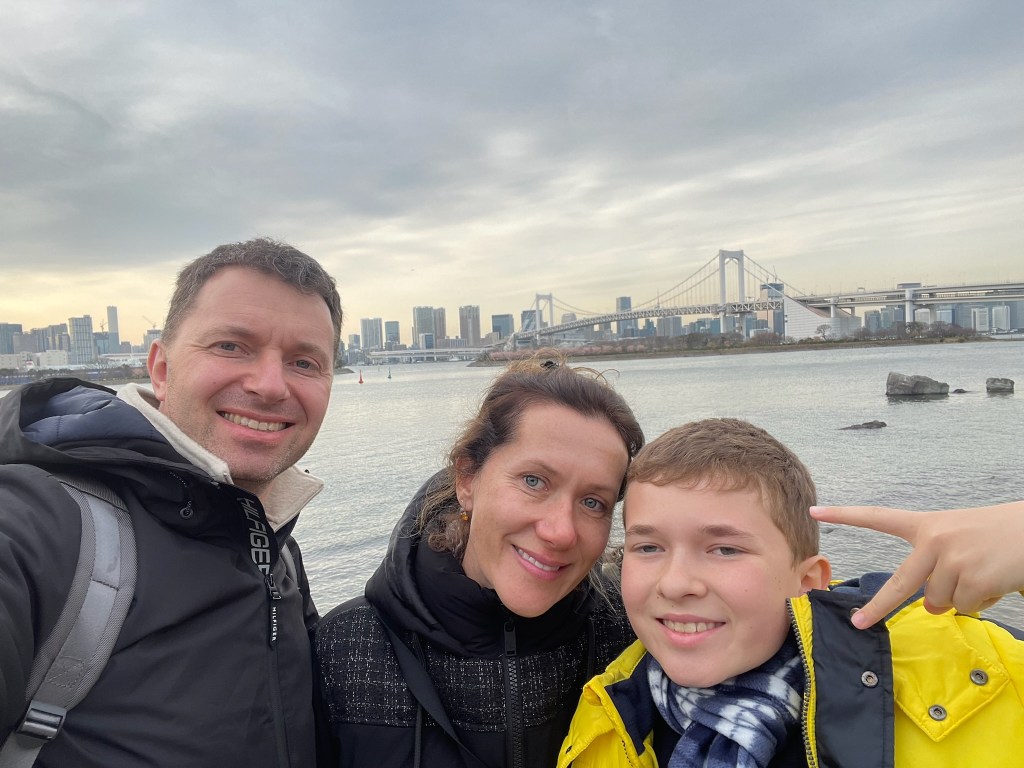
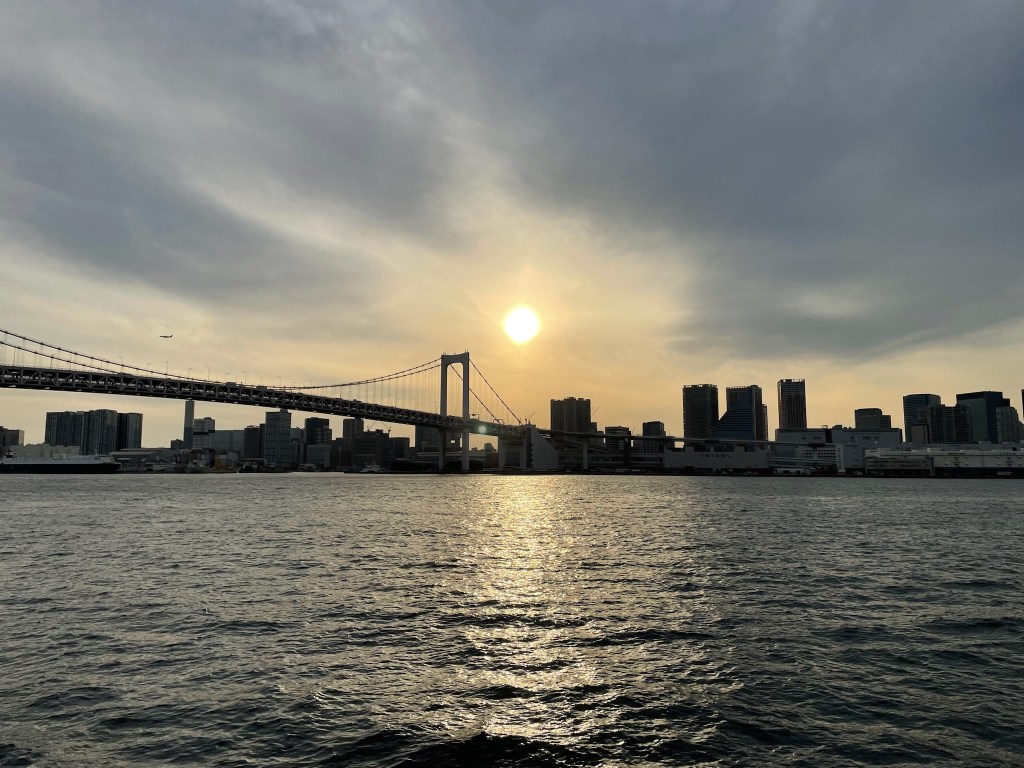

And this was our 2nd day in Tokyo. A full day with lots of fun, great food and great company. We are tired now with all the jet leg and we want to go back to the hotel to rest. See you tomorrow.
(Japan 2024)
 Biel On The Go
Leave a comment