
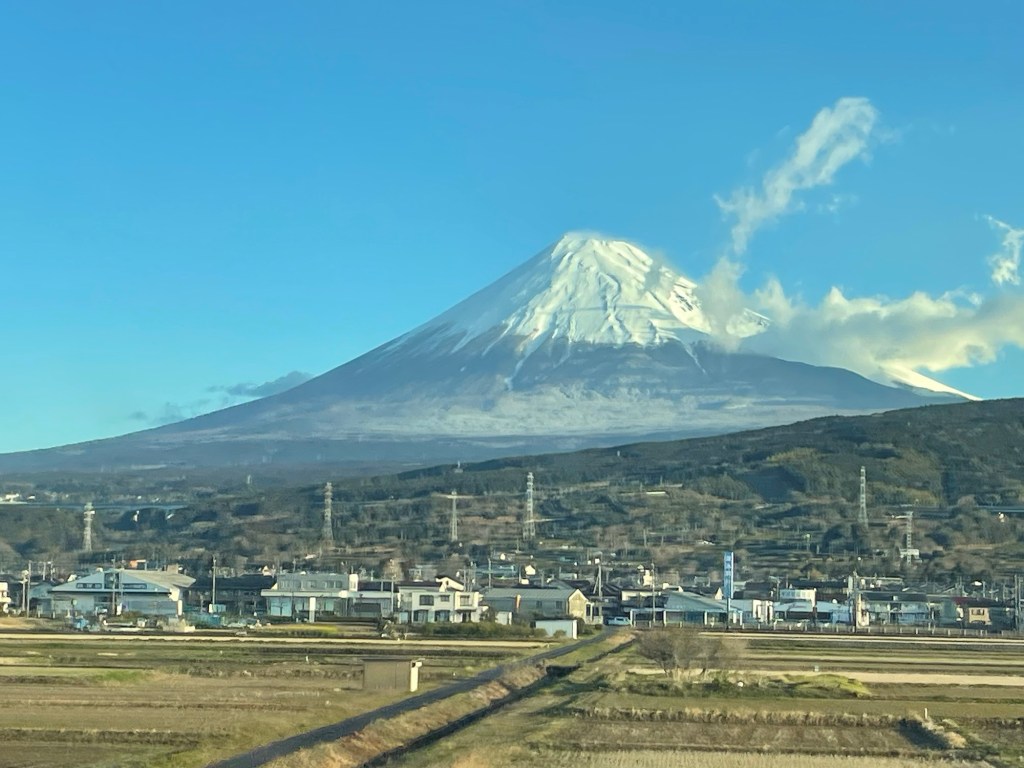
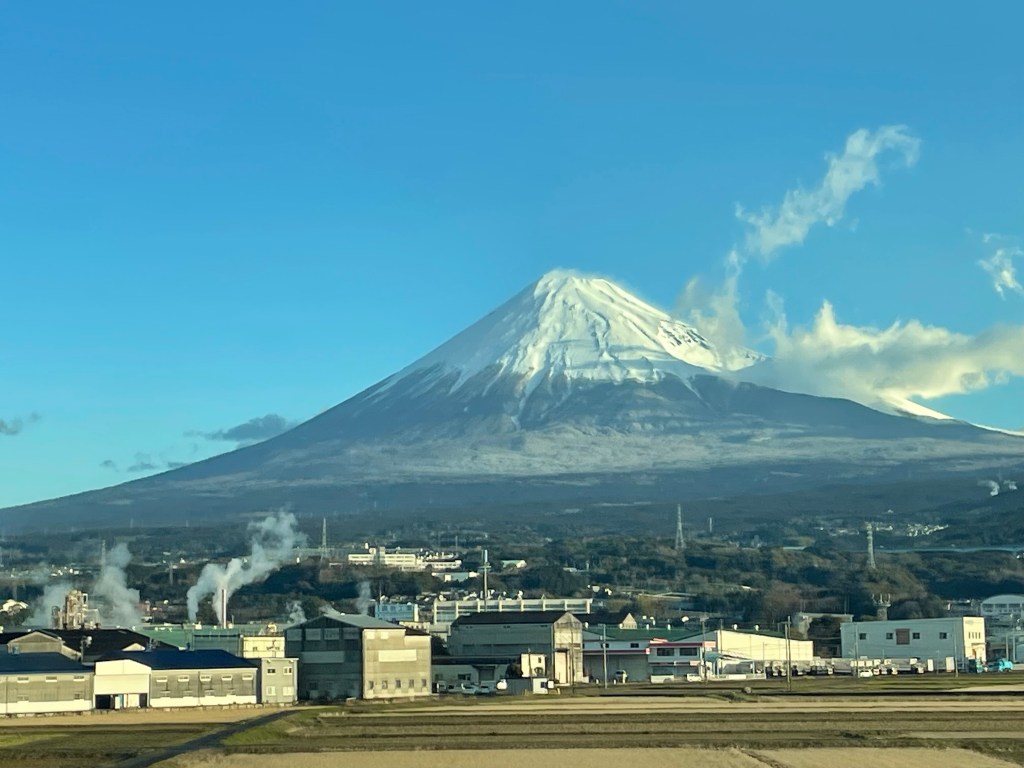
Today we will travel to Kyoto and Nara, and we will travel with the Shinkansen again!!! 😀 My father told me that on the way we will pass by Mf. Fuji, I will not give up, let me see if I can spot it today.
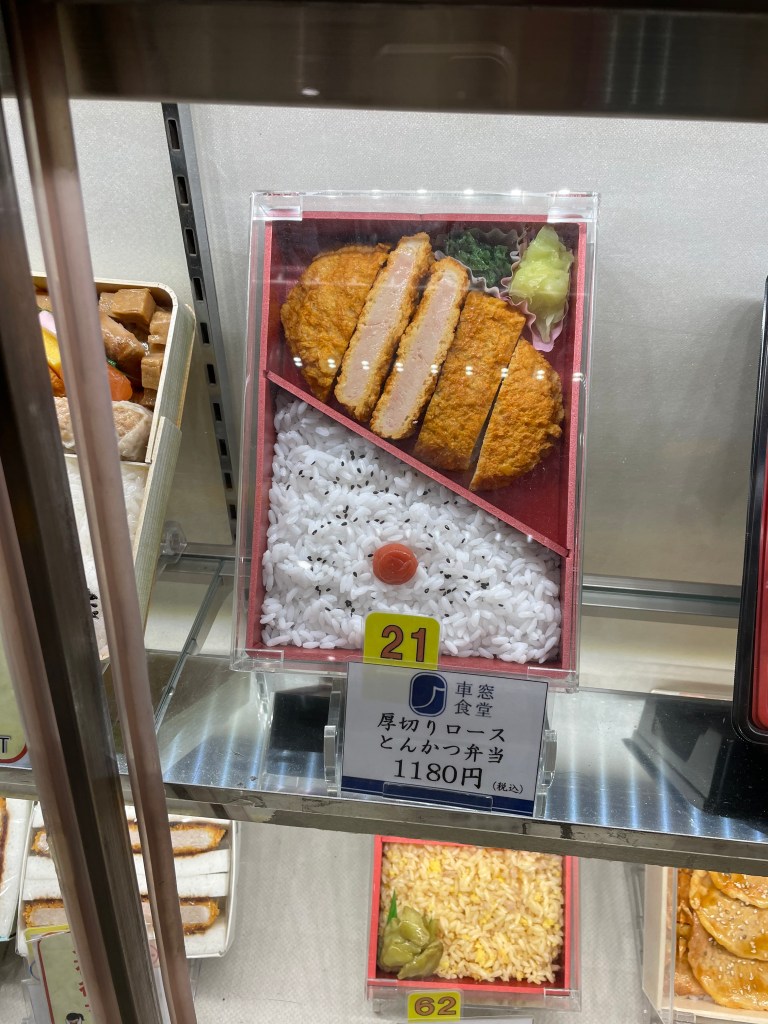
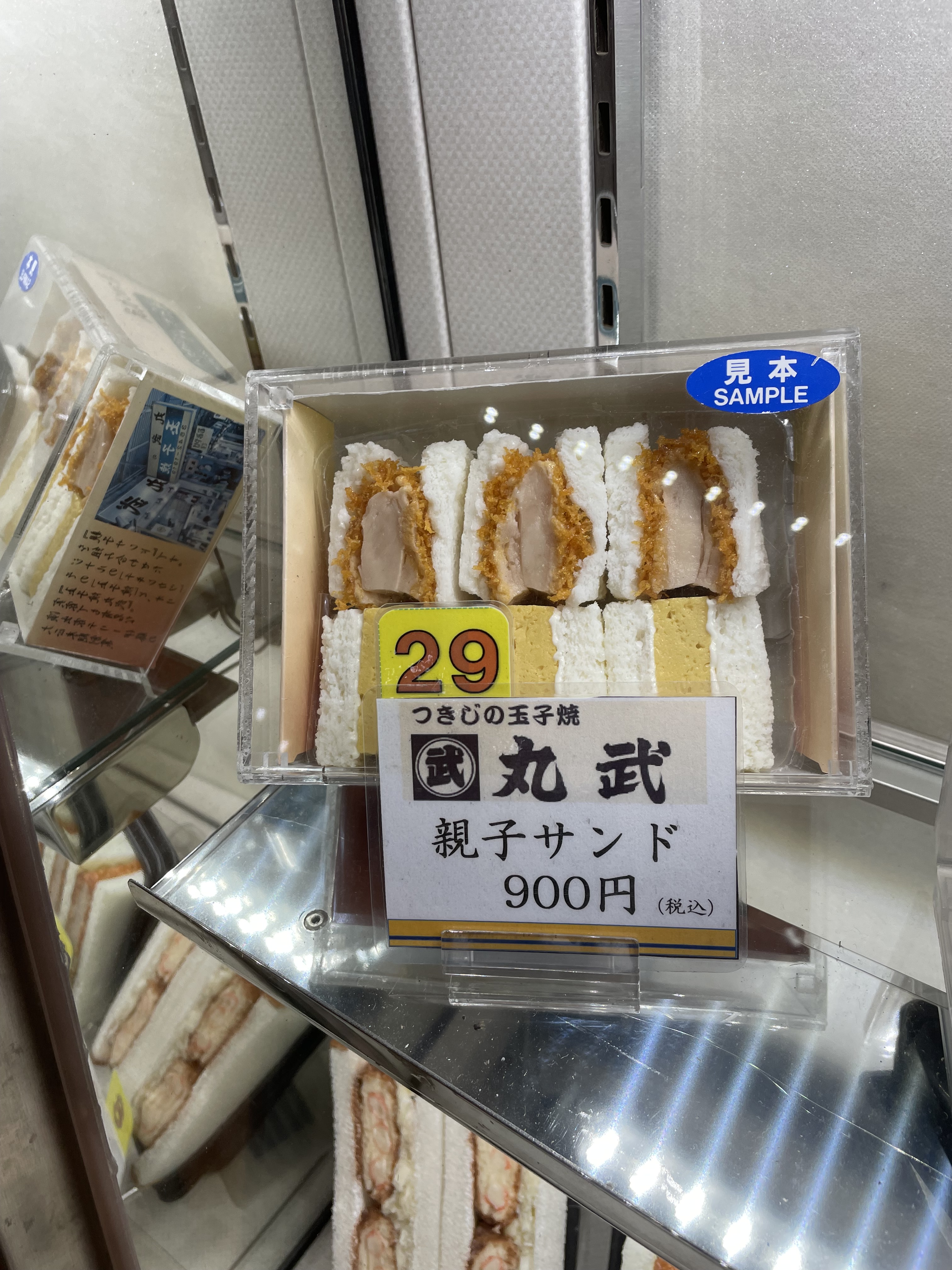
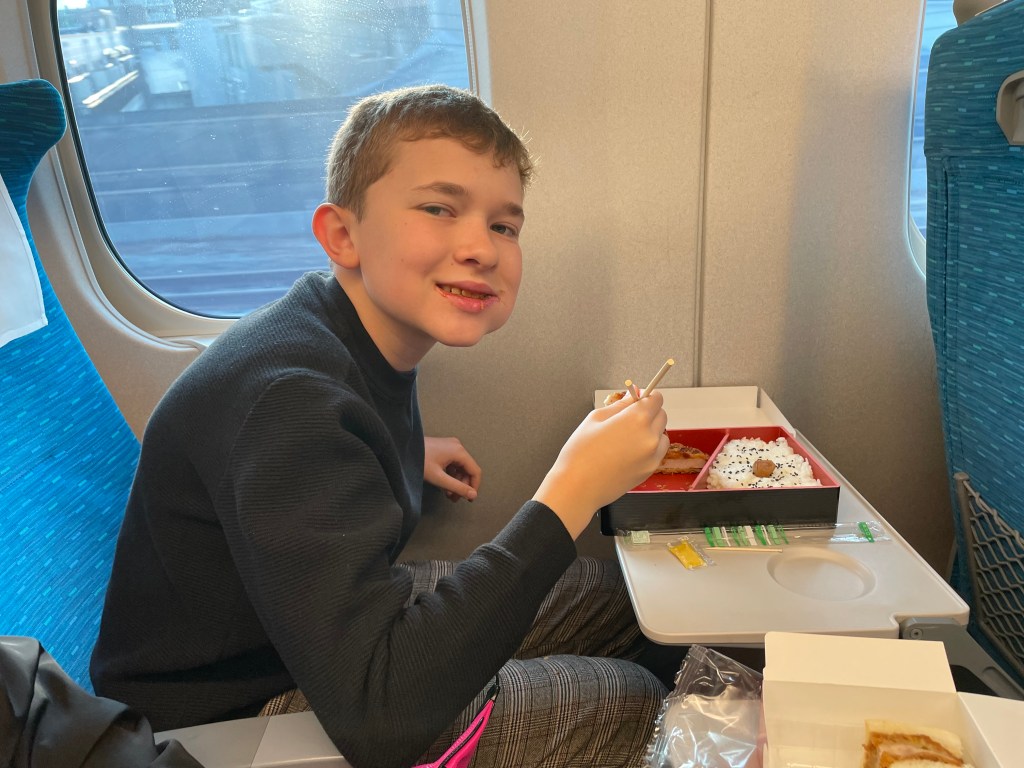
We had to buy something to have breakfast inside the train. In Japan, this is how you see the menu in front of the restaurants. They have this replicas of food so that you can see how it looks like. For foreigners like us, perfect! We just have to point at what we want and that’s it. So we chose our breakfast boxes and went to the train.

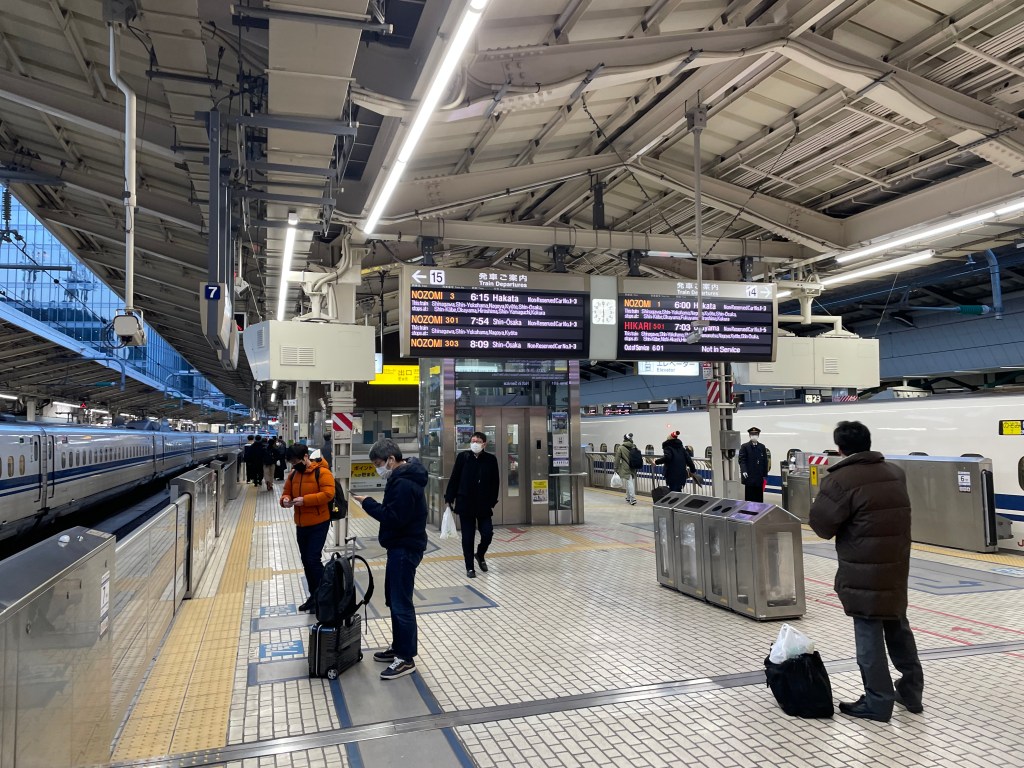
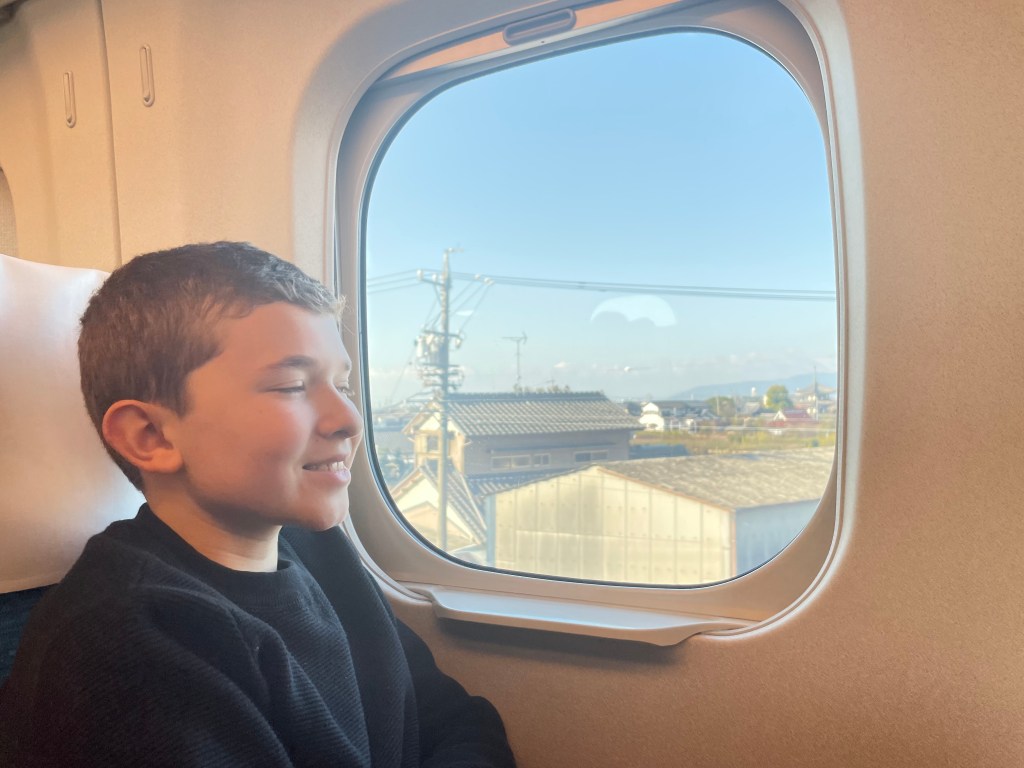

Kyoto used to be the capital of Japan and has lots of historical places and traditions. Here a summary facts about Kyoto: “Kyoto, Japan’s ancient capital, is famous for its rich cultural heritage, traditional architecture, and historic sites. It was the imperial capital of Japan for over 1,000 years (794–1868), making it a key center of Japanese history, religion, and culture. Kyoto is home to numerous UNESCO World Heritage Sites, including Kinkaku-ji (Golden Pavilion), Fushimi Inari Shrine, and Kyoto Imperial Palace. The city is also known for its well-preserved geisha districts like Gion, tea ceremonies, and beautiful seasonal landscapes, especially during cherry blossom and autumn leaf seasons” ChatGPT.
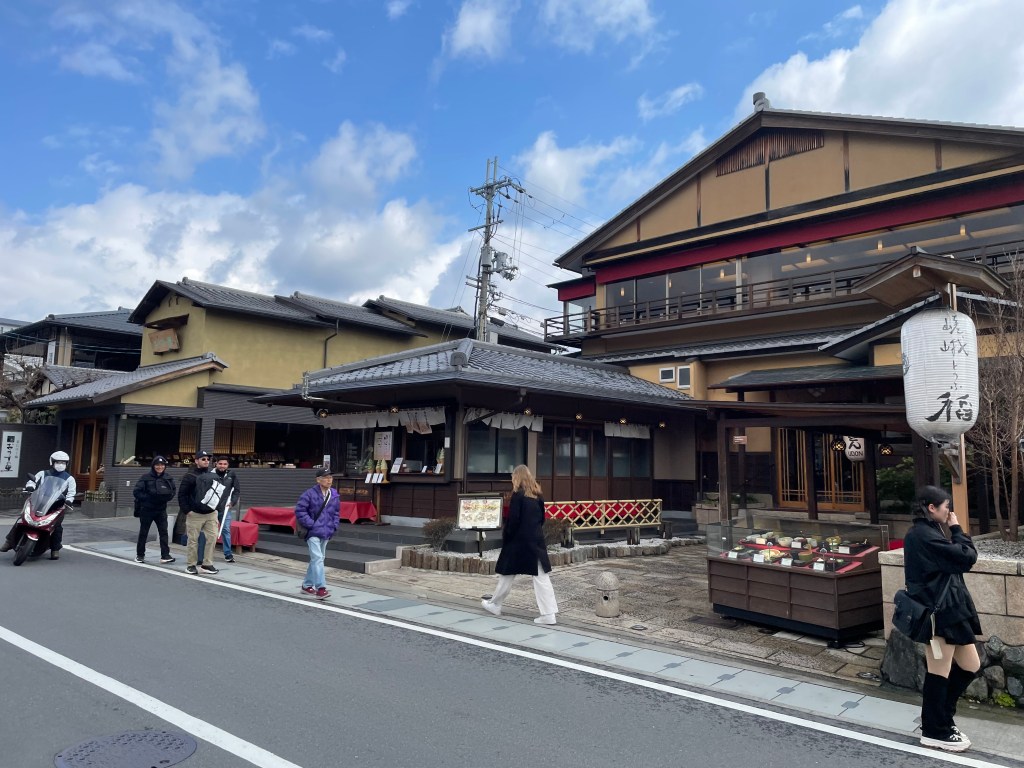
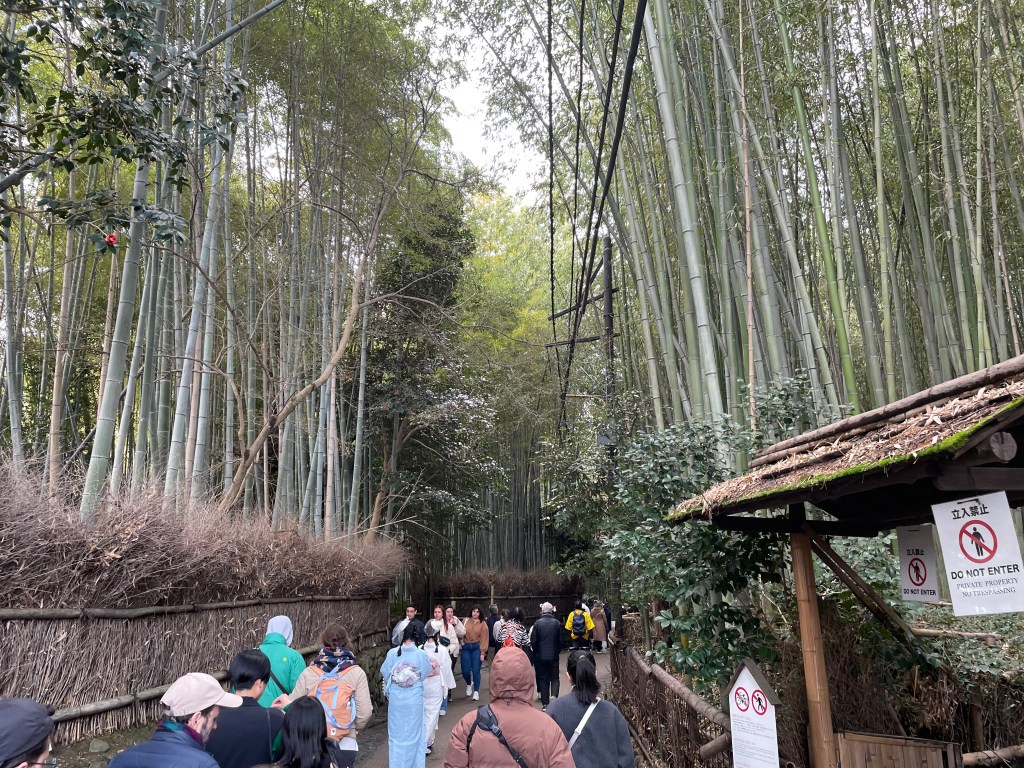
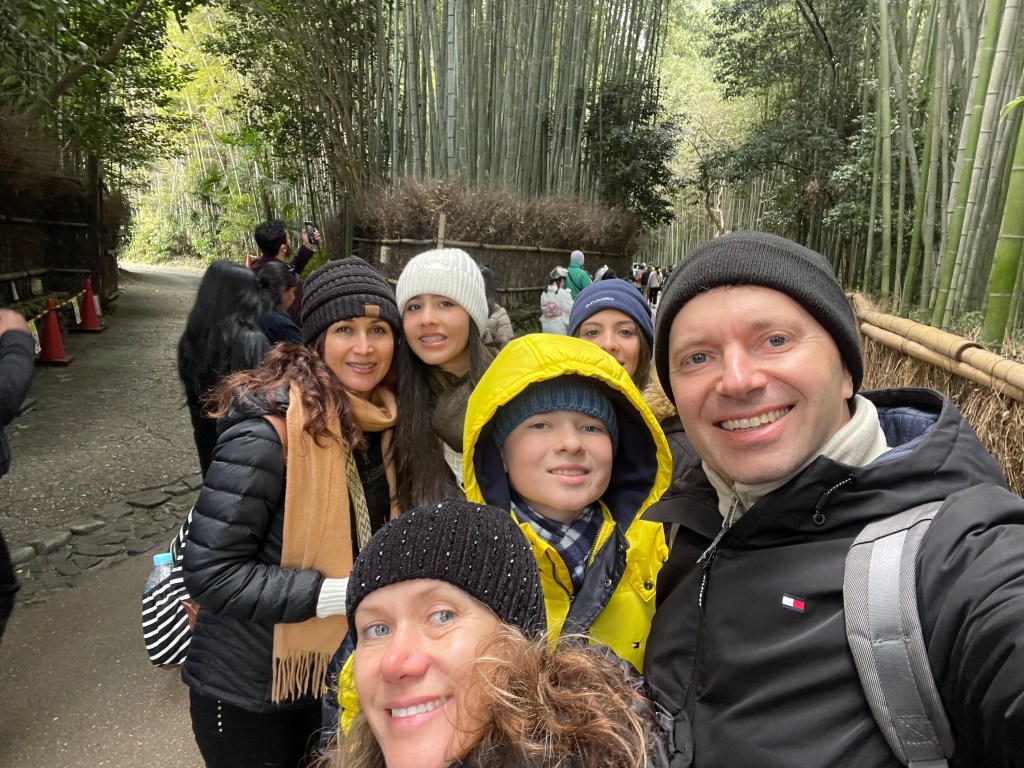
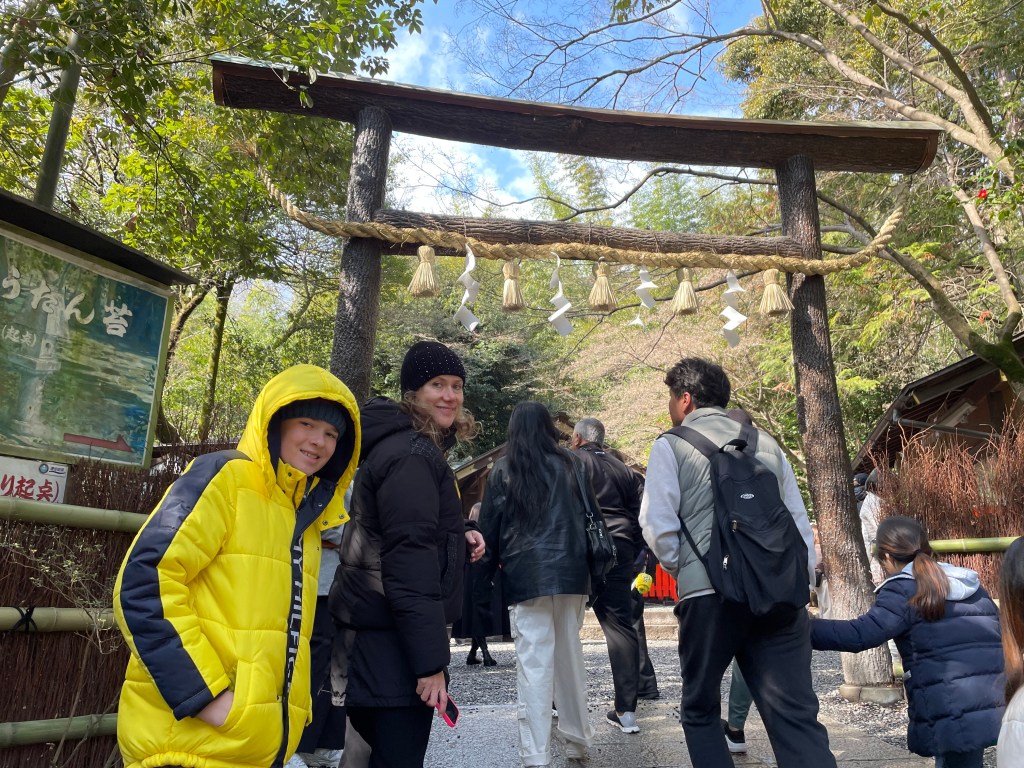
“Nonomiya-jinja Shrine, located in Kyoto’s Arashiyama district, is a small but historically significant Shinto shrine. It is famous for being a place where imperial princesses would purify themselves before serving at the Ise Grand Shrine. The shrine appears in the classic Japanese literature, “The Tale of Genji,” which adds to its cultural importance. It is also known for its Kuroki no Torii (black wooden Torii gate) and its connection to blessings for safe childbirth, good marriage, and academic success. Surrounded by the serene Sagano Bamboo Forest, it’s a peaceful retreat” ChatGPT.
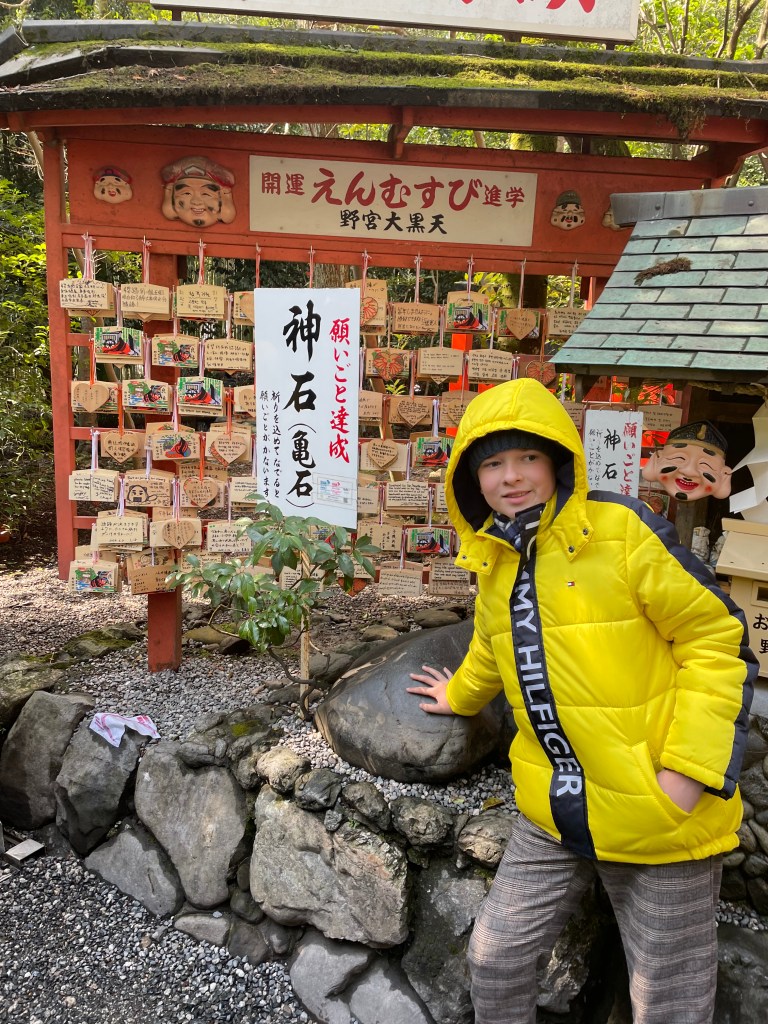
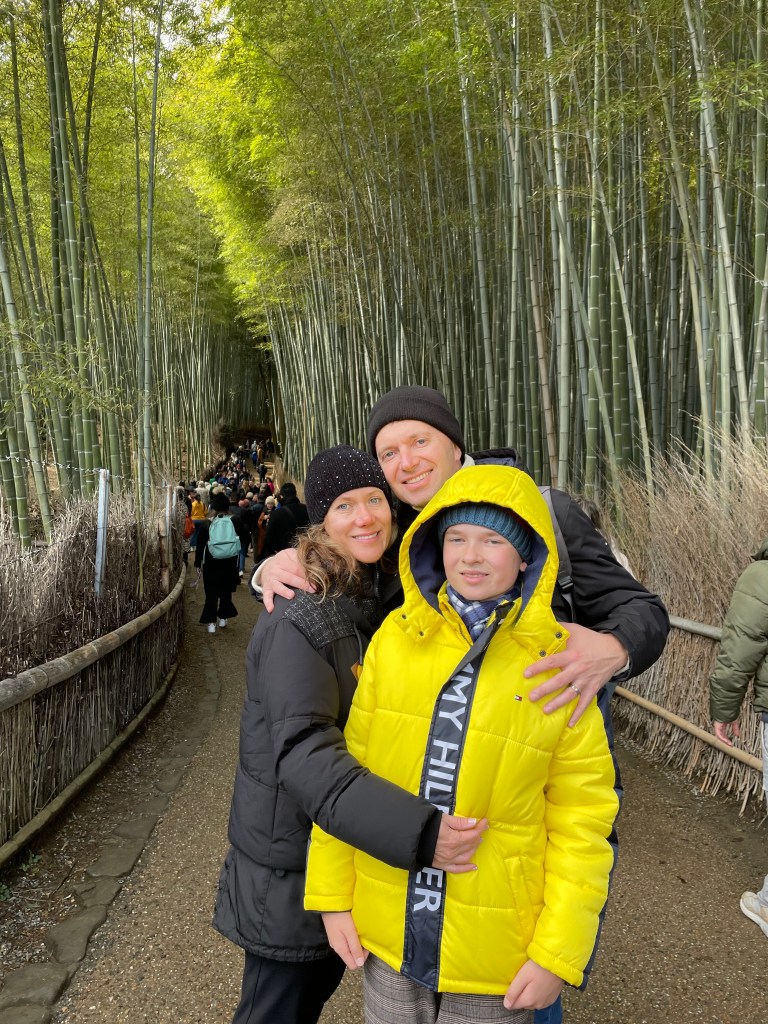
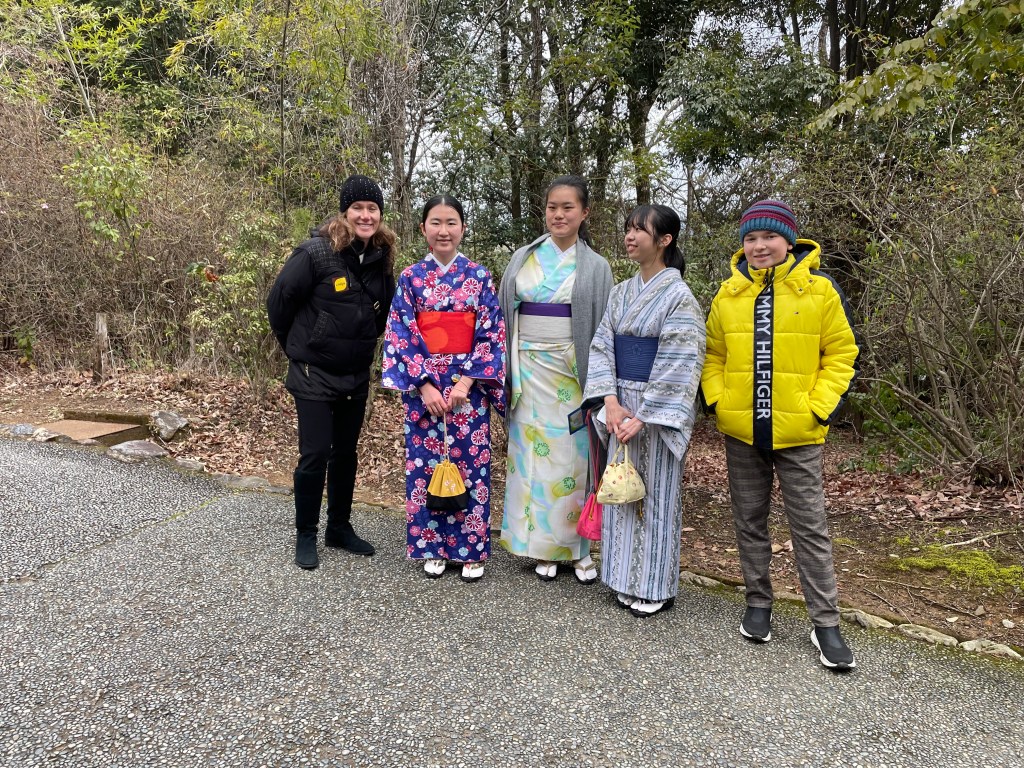
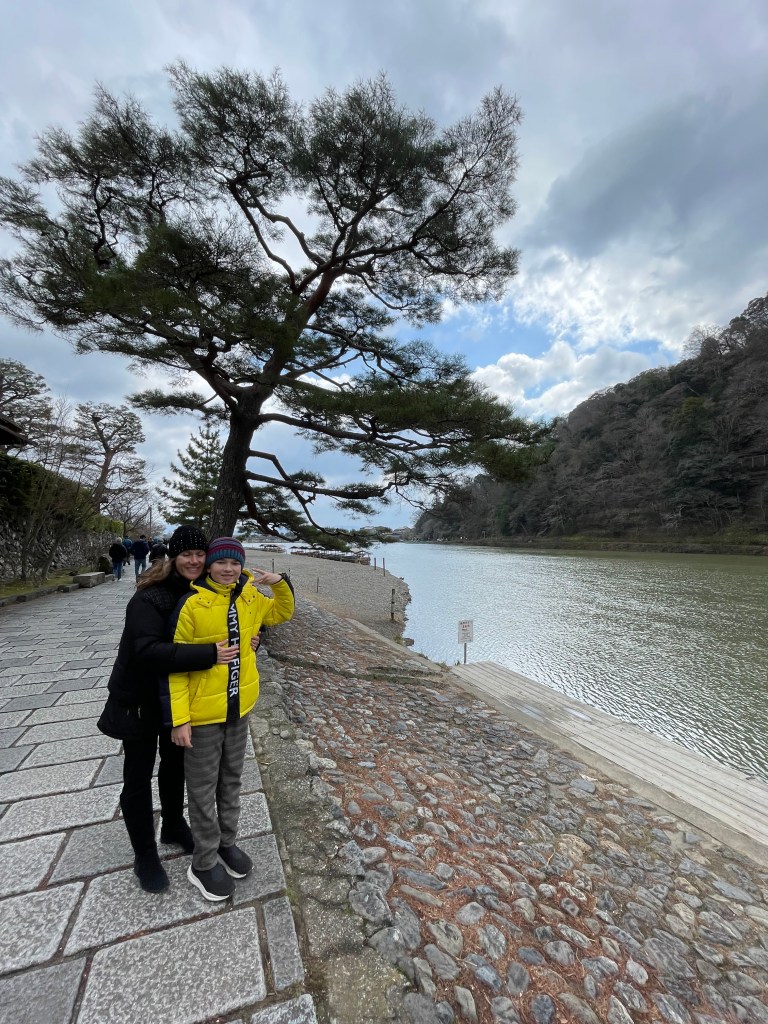
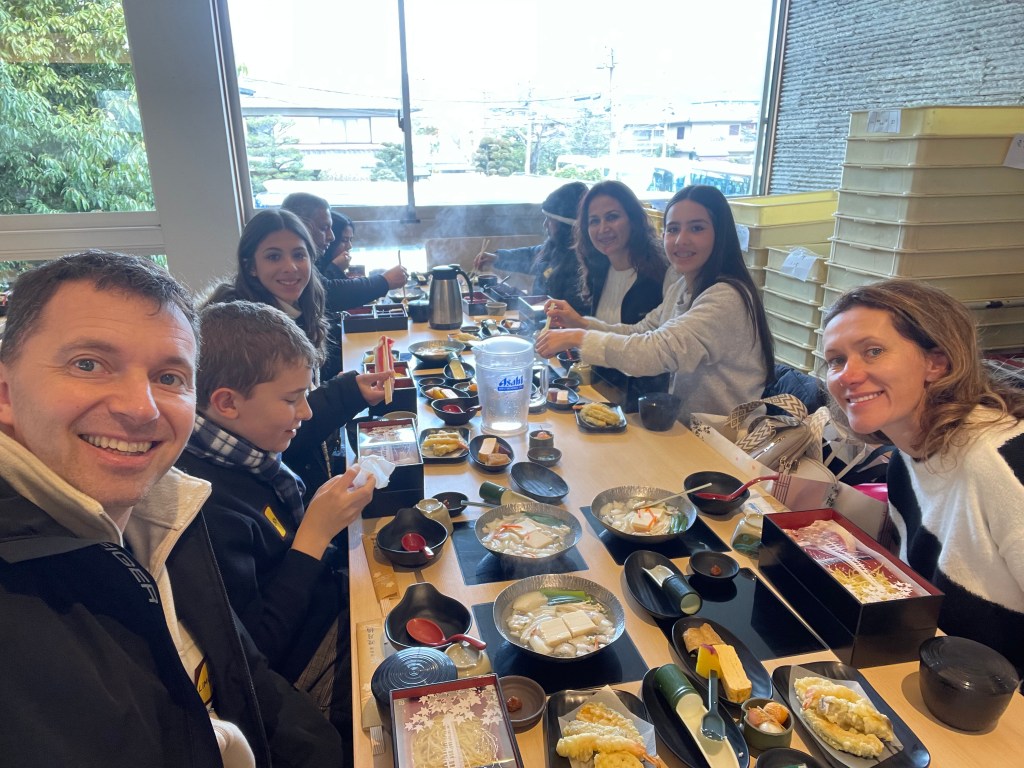
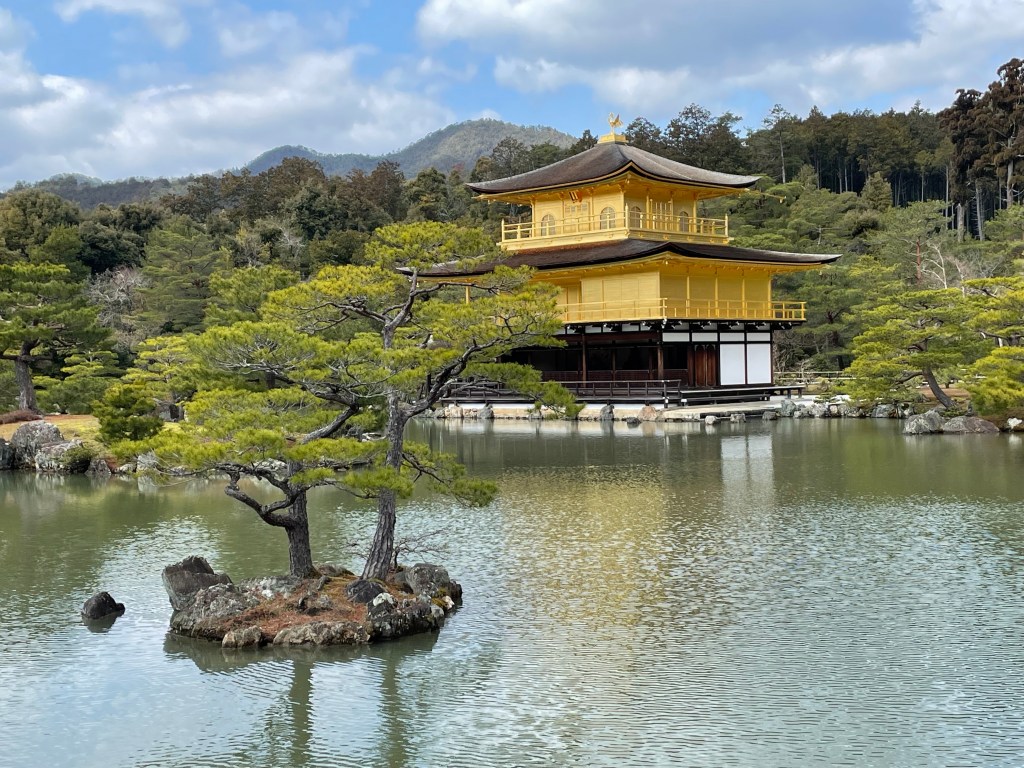
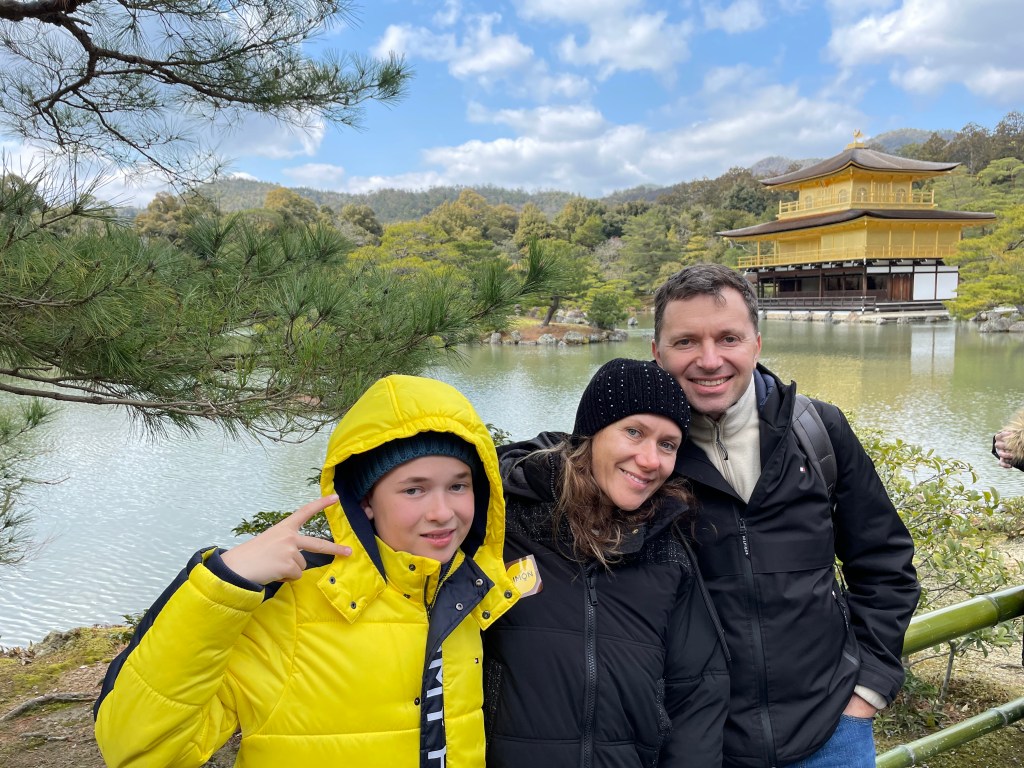
After lunch we headed to the Golden Pavilion. Here some facts:
“The Golden Pavilion, or Kinkaku-ji, is one of Kyoto’s most iconic landmarks. It was originally built in 1397 as a retirement villa for shogun Ashikaga Yoshimitsu, but was later converted into a Zen Buddhist temple. The pavilion’s top two floors are covered in gold leaf, reflecting its name. Kinkaku-ji is set amidst stunning gardens and overlooks a large pond, which reflects the golden structure, creating a picturesque scene. The temple is a UNESCO World Heritage Site and is famous for its elegant design and historical significance” ChatGPT.
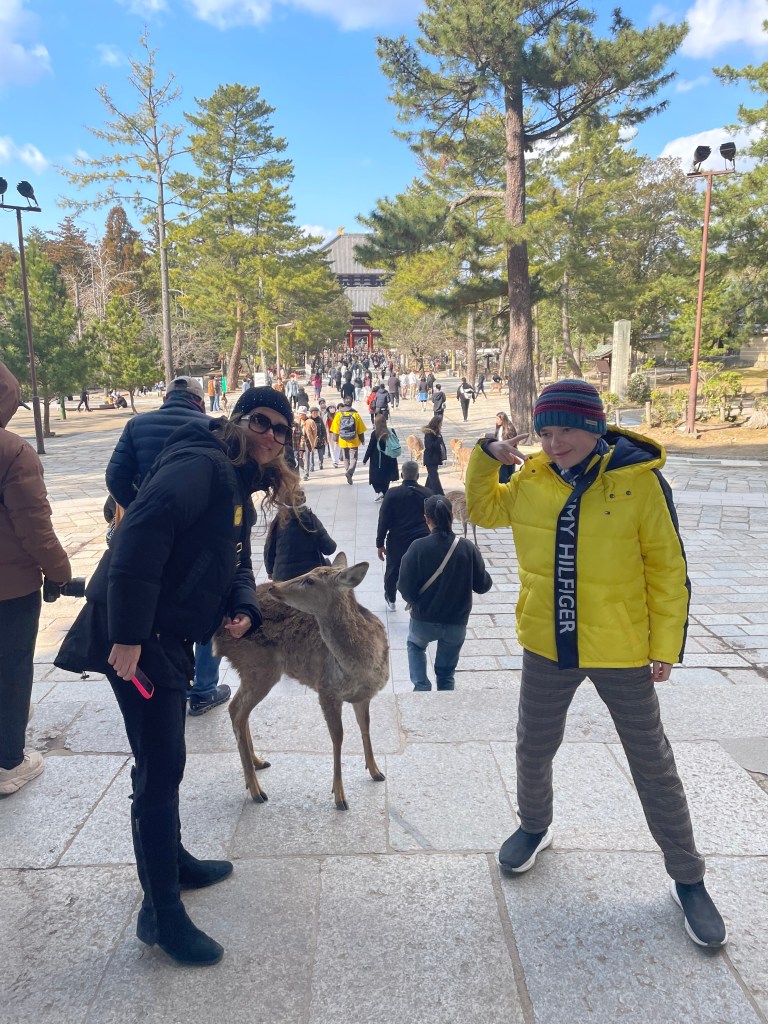
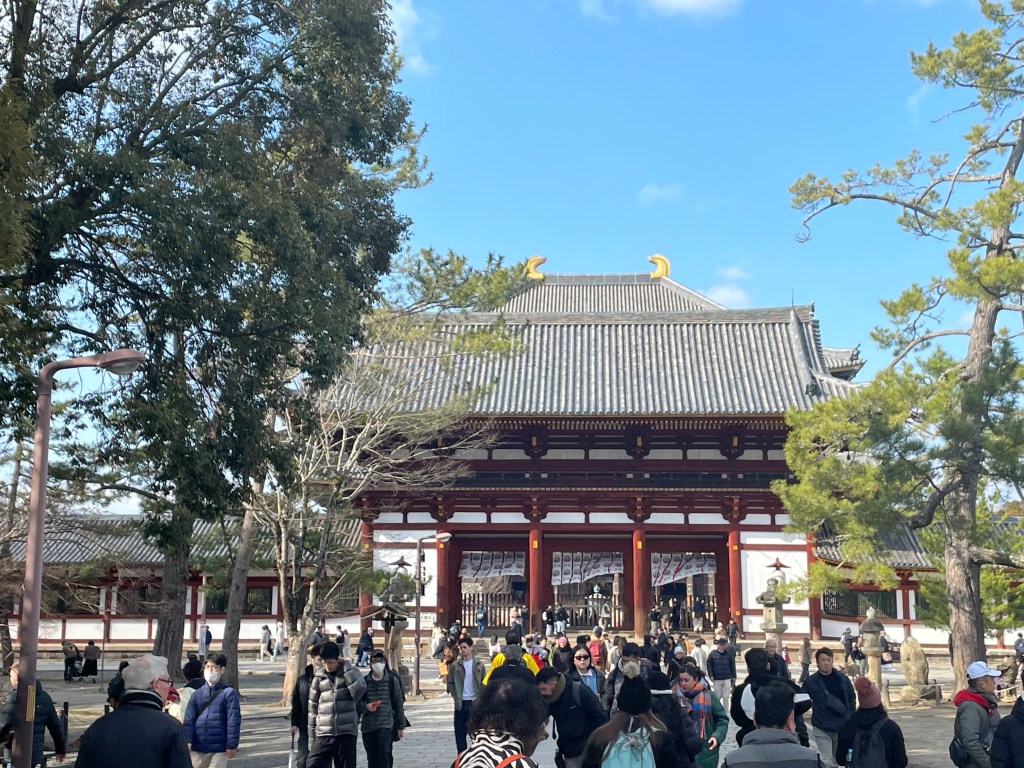
After that, we went to the Deer Park in Nara. Nara is a city near Kyoto and it was the capital before Kyoto. The word Sayonara in Japanese has to do with this city. An emperor in the past liked this city so much, that at the moment of living the city to go to Kyoto, it turned back and said “Sayonara”. The meaning is “if it is so, Nara” evolved to “if it is so, goodbye” and this is how the word “goodbye” in Japanese was born.

And this was our fourth day! Now it is time to rest a bit, tomorrow very early there will be more to see.
(Japan 2024)
 Biel On The Go
Leave a comment