

Text
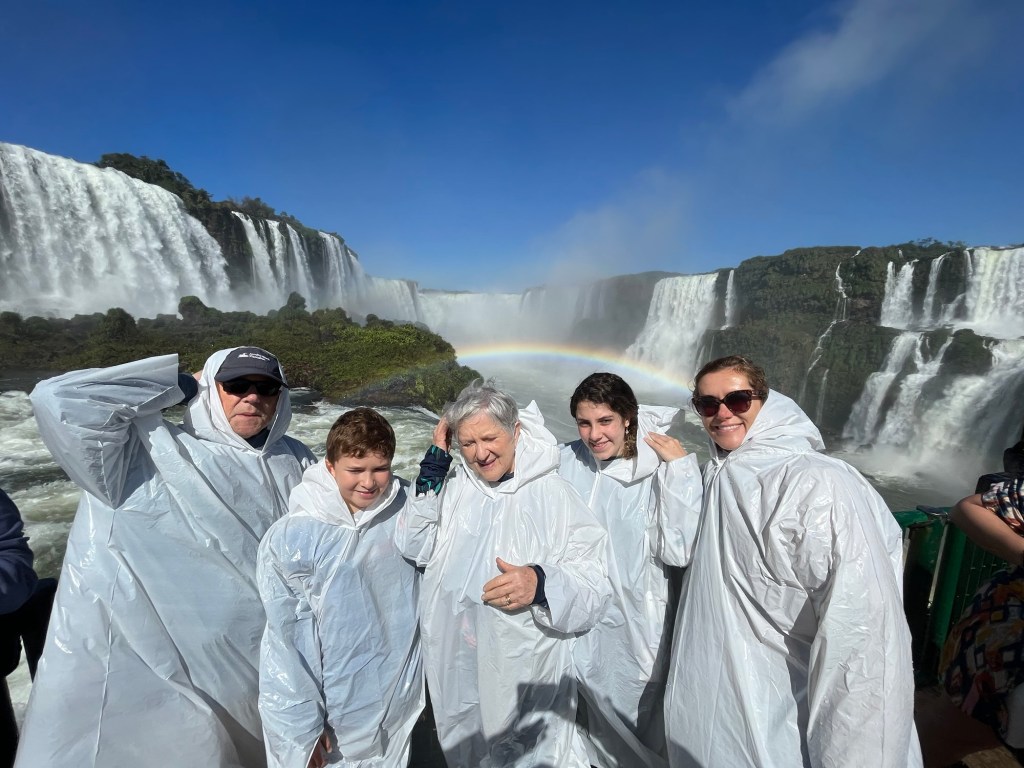
“Foz do Iguaçu Falls, located on the border between Brazil and Argentina, is one of the largest and most breathtaking waterfall systems in the world. Comprising 275 individual falls, it stretches over 2.7 kilometers along the Iguaçu River, with drops up to 82 meters. It is part of the Iguaçu National Park, a UNESCO World Heritage Site, renowned for its stunning landscapes and rich biodiversity. The name “Iguaçu” comes from the Tupi-Guarani words “y” (water) and “guasu” (big), meaning “big water.” Visitors can explore the falls via walkways, boat tours, and helicopter rides, experiencing its immense natural beauty.” from ChatGPT.
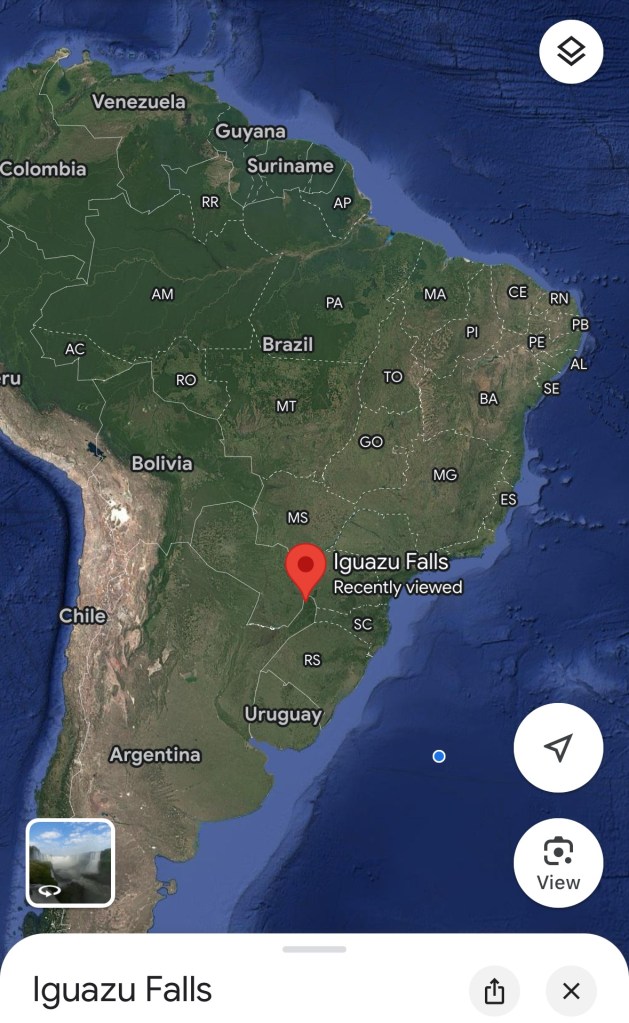
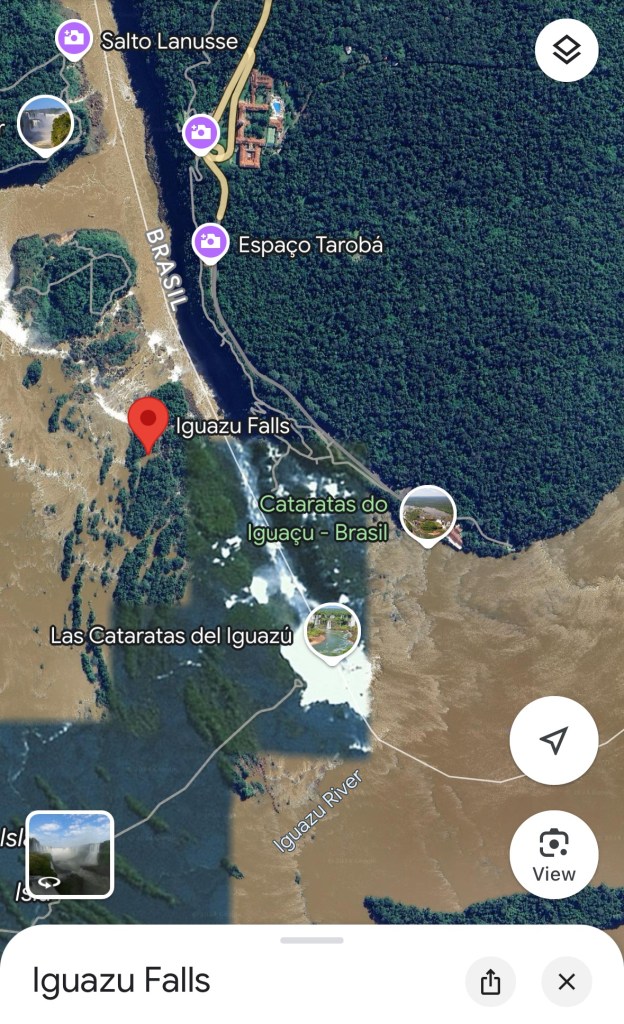


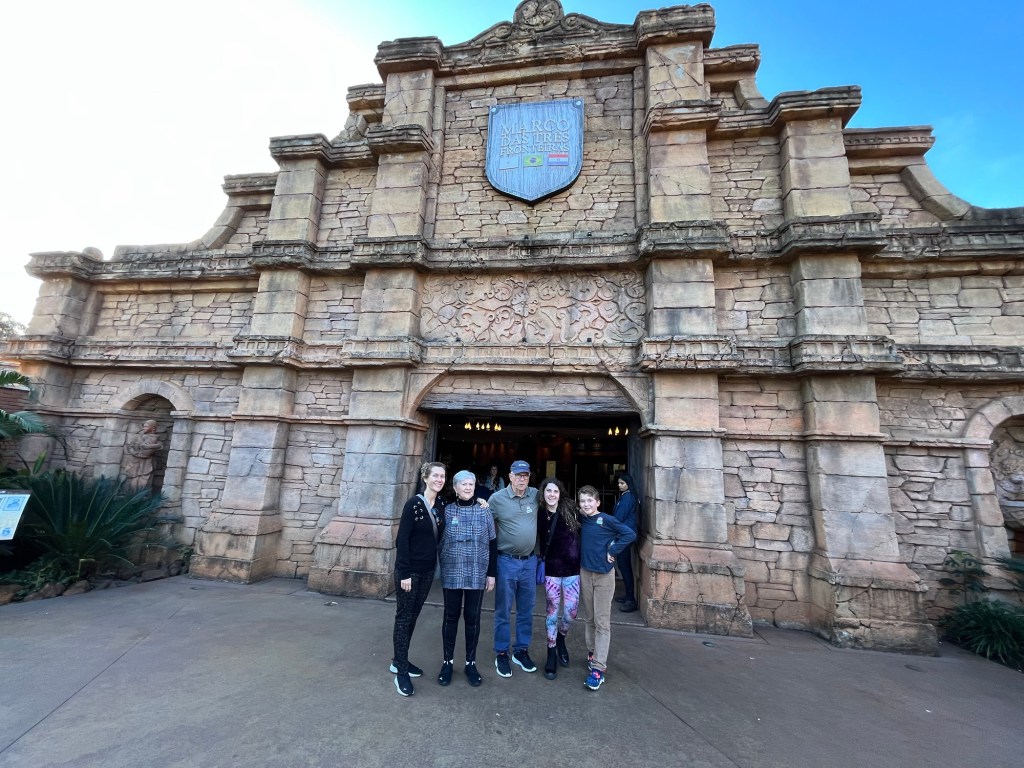
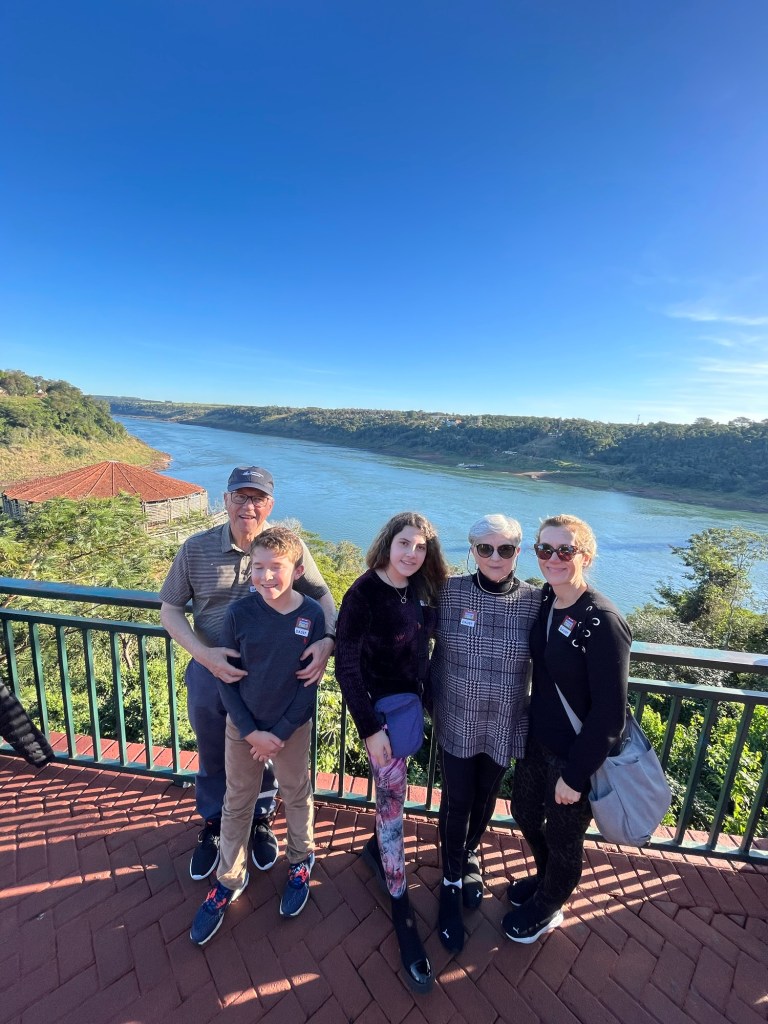
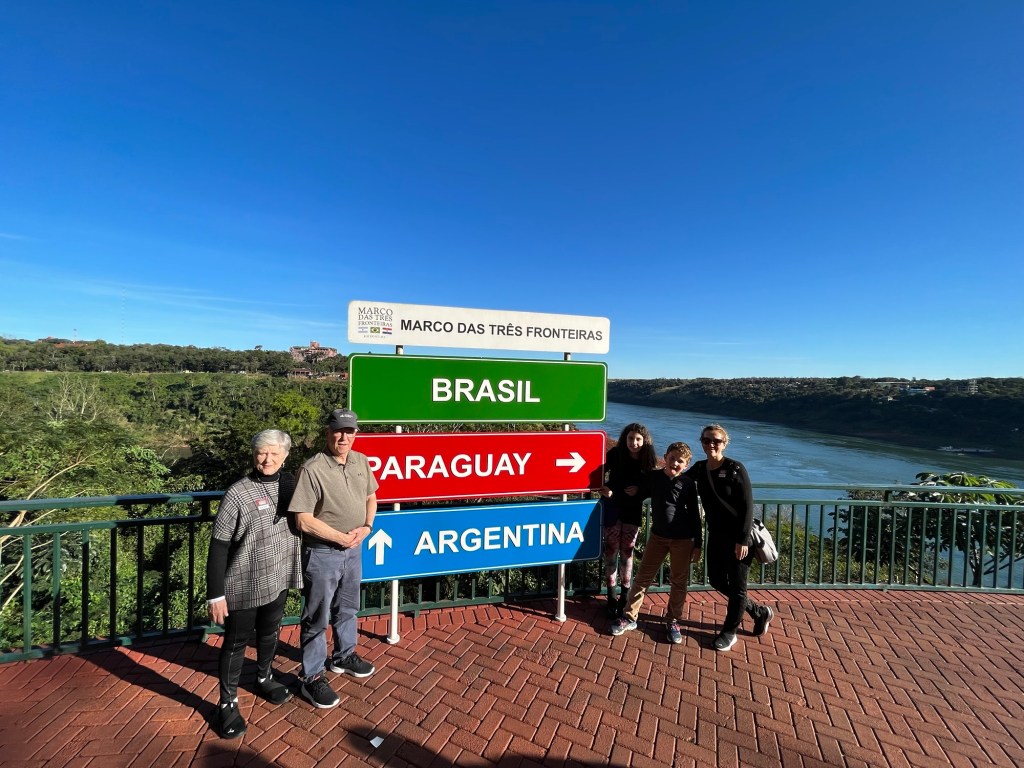
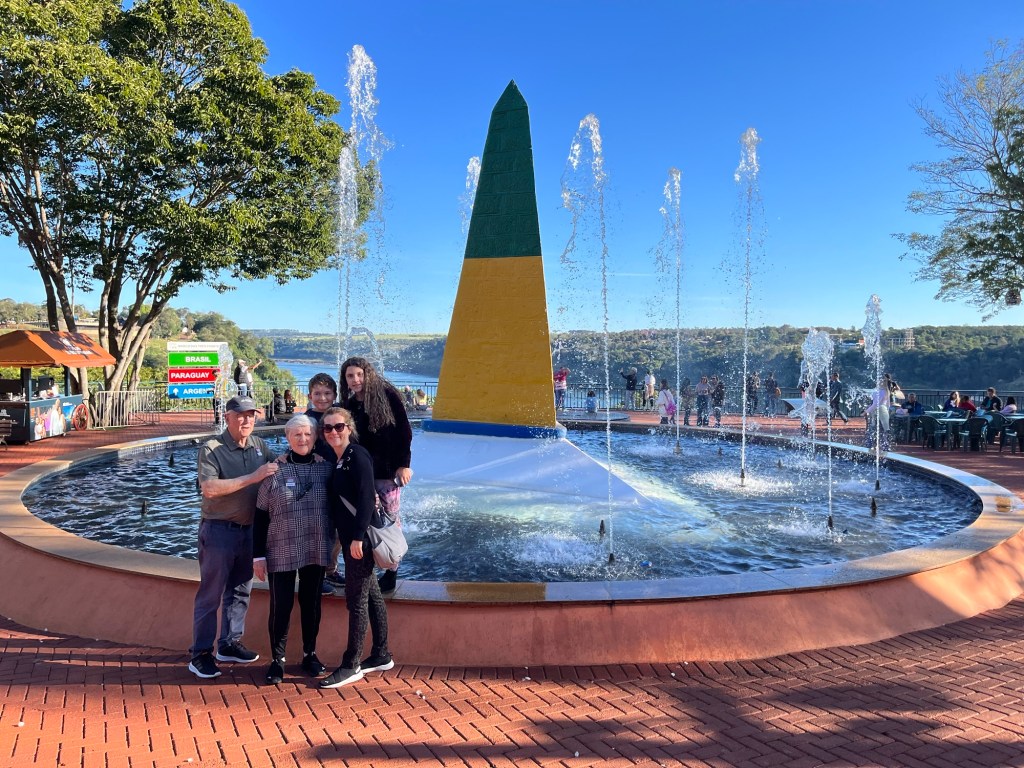
“The Marco das Três Fronteiras is a tri-border landmark where Brazil, Paraguay, and Argentina meet. Located at the confluence of the Iguazu and Paraná Rivers, it is a symbolic site representing the unity and distinct identities of the three nations. Each country has its own obelisk marking the spot, painted in their respective national colors: green and yellow for Brazil, blue and white for Argentina, and red, white, and blue for Paraguay. The Brazilian landmark is in Foz do Iguaçu and features a cultural complex with restaurants, shows, and historical exhibits. It offers stunning views of the rivers and surrounding nature.” from ChatGPT.


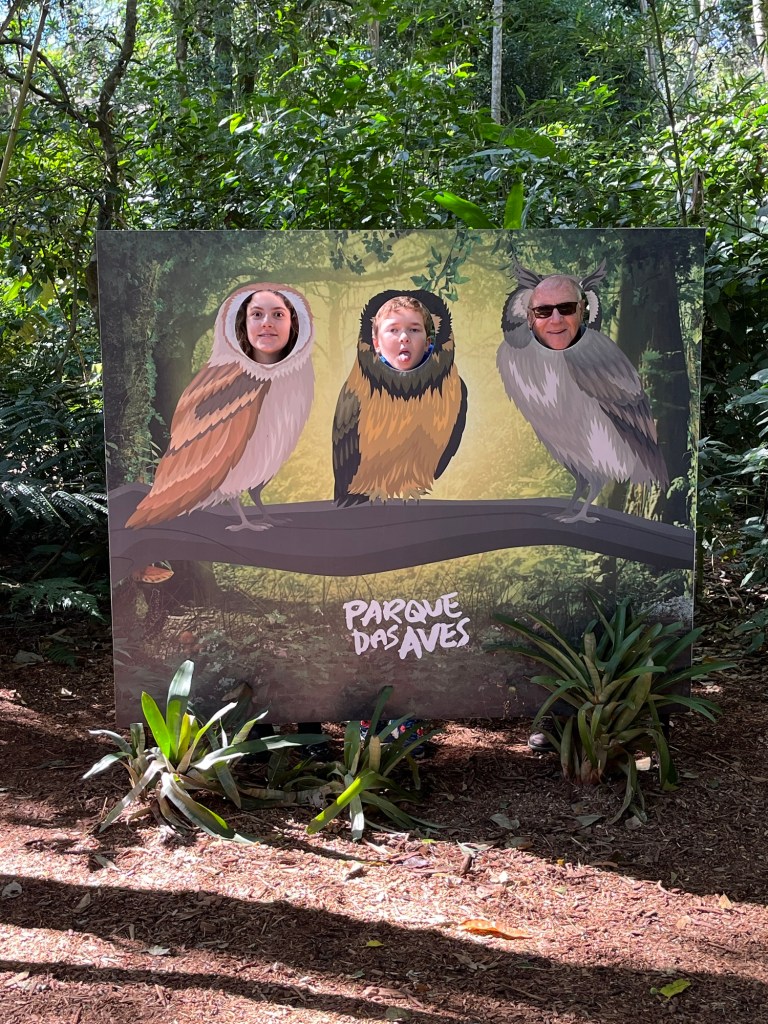
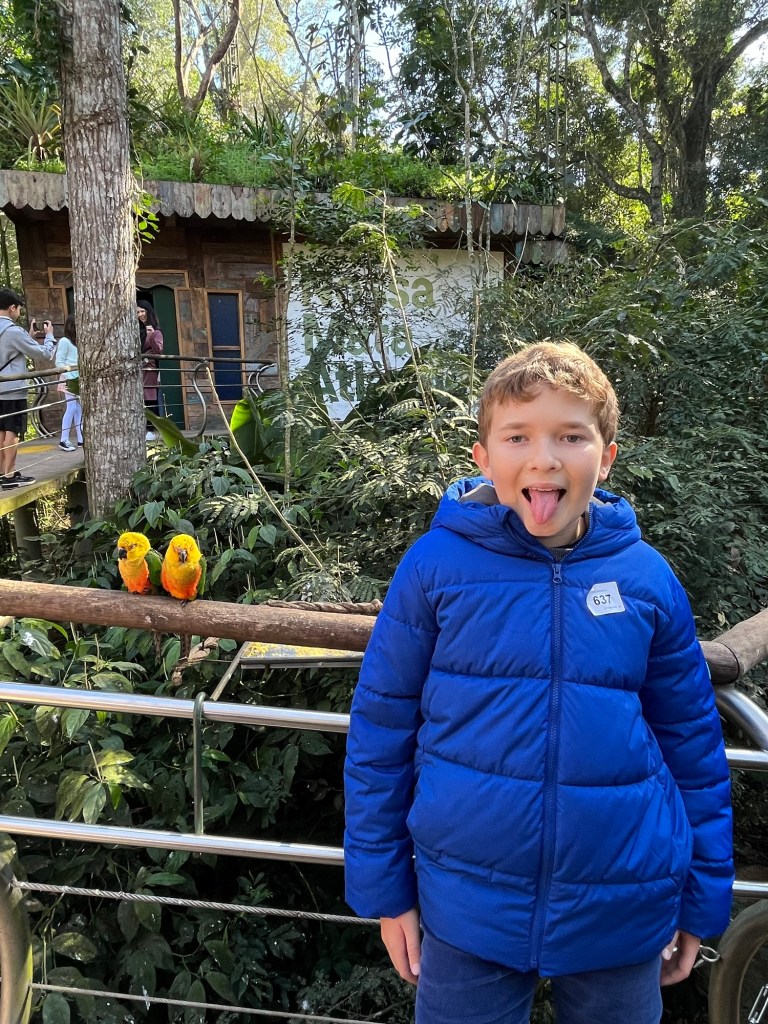
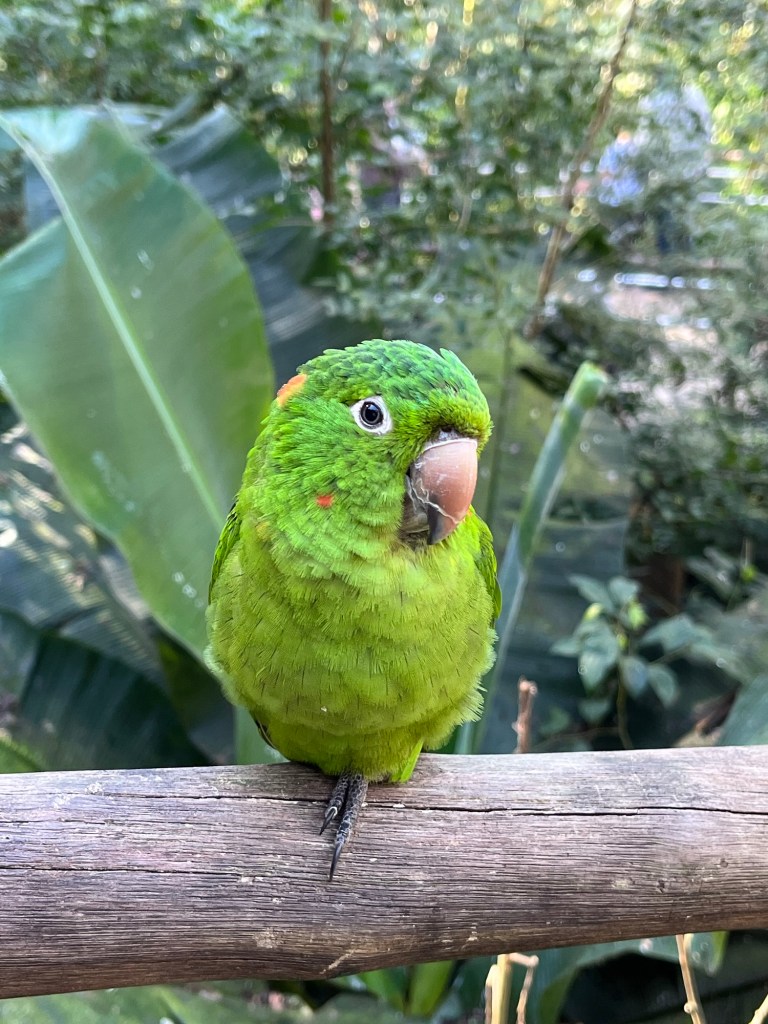
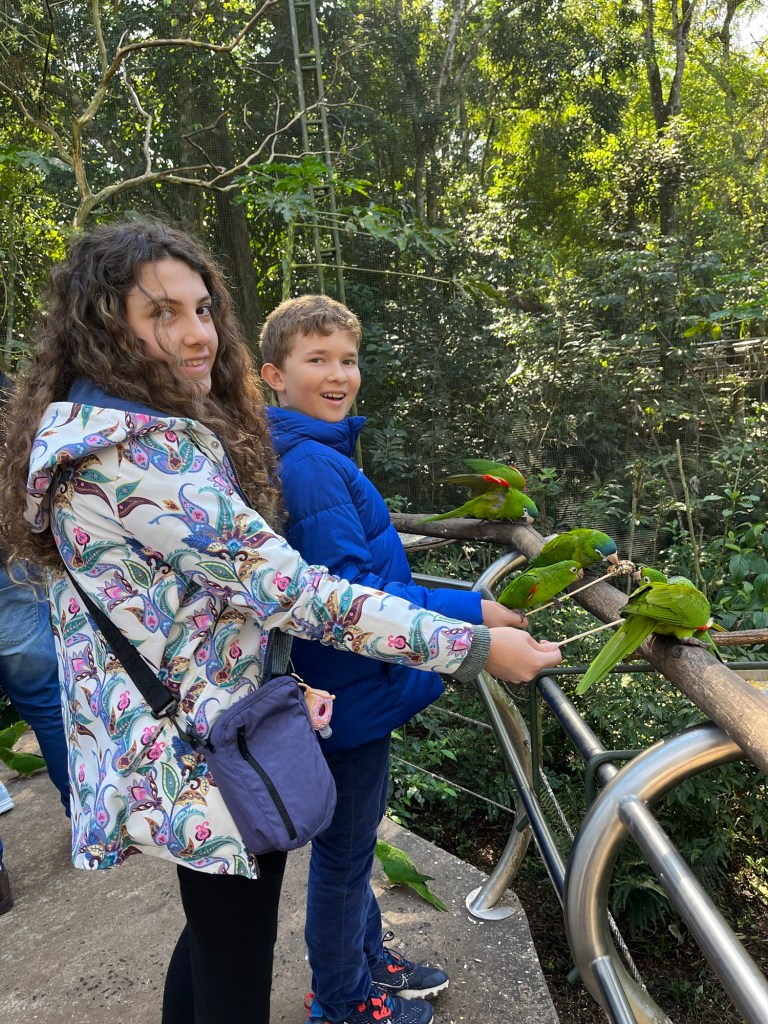
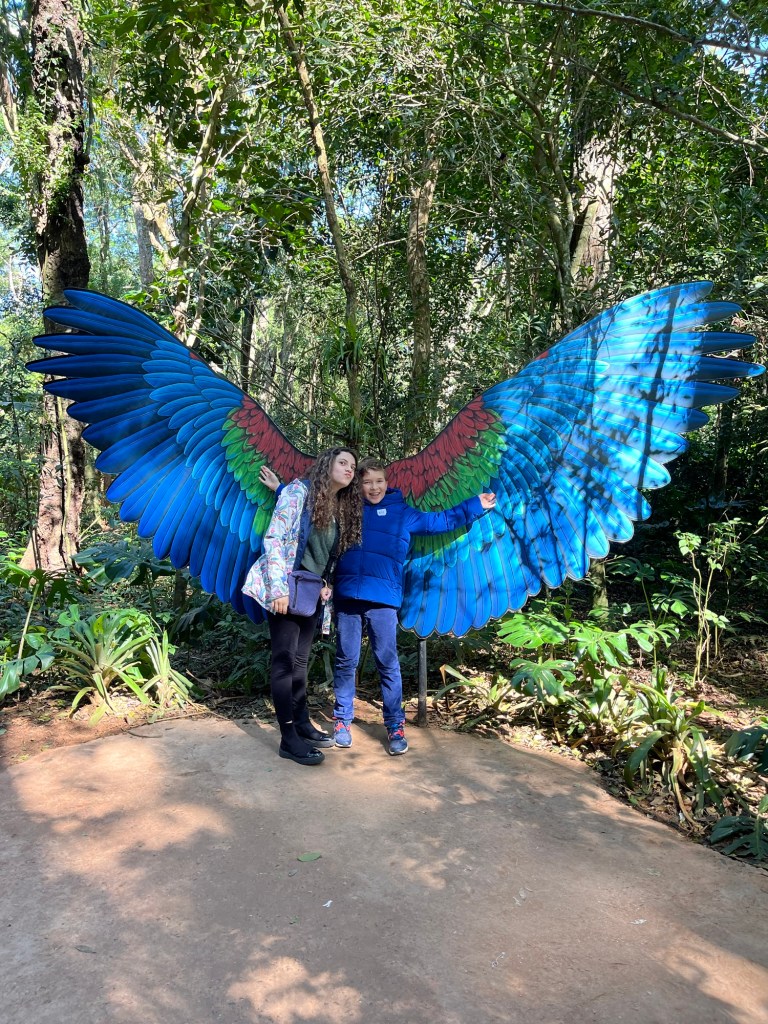
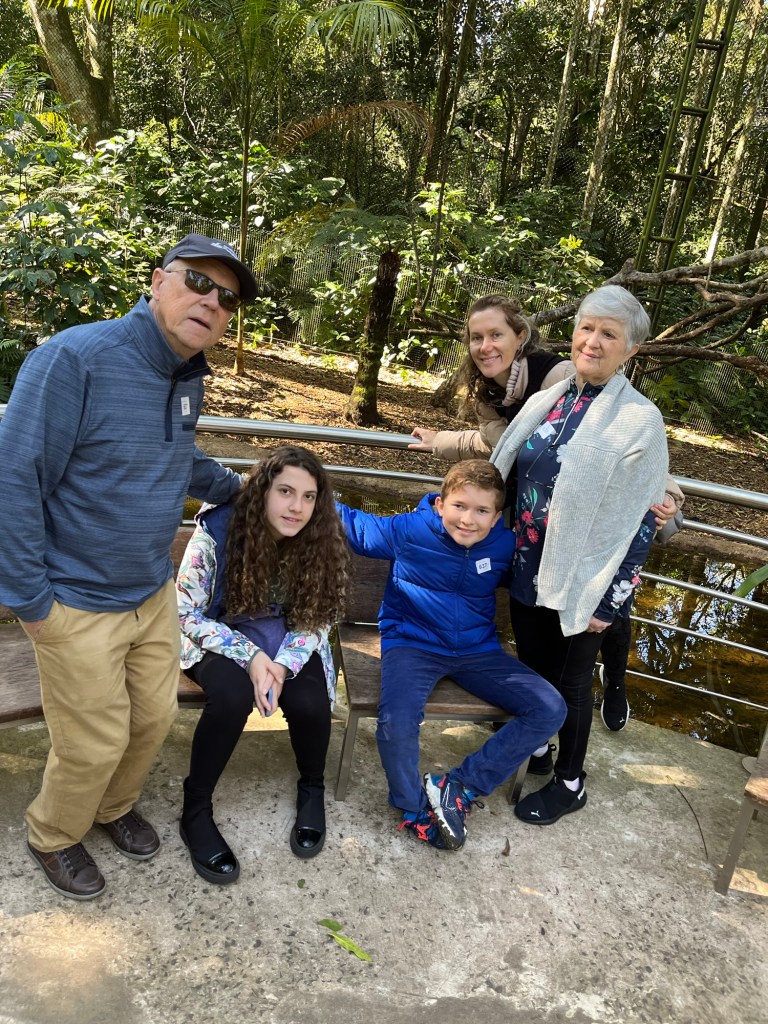
“The Parque das Aves is a renowned bird sanctuary located near the Iguazu Falls in Foz do Iguaçu, Brazil. Spanning 16 hectares of Atlantic Forest, it is home to over 1,400 birds from 150 species, many of which are endangered or rescued from illegal trafficking. Visitors can explore immersive aviaries where birds like toucans, macaws, and flamingos fly freely. The park emphasizes conservation, education, and research, with breeding programs for species like the Lear’s Macaw. It also features reptiles, butterflies, and educational exhibits. A popular eco-tourism destination, the park offers close wildlife encounters and promotes the preservation of Brazil’s biodiversity.” from ChatGPT.


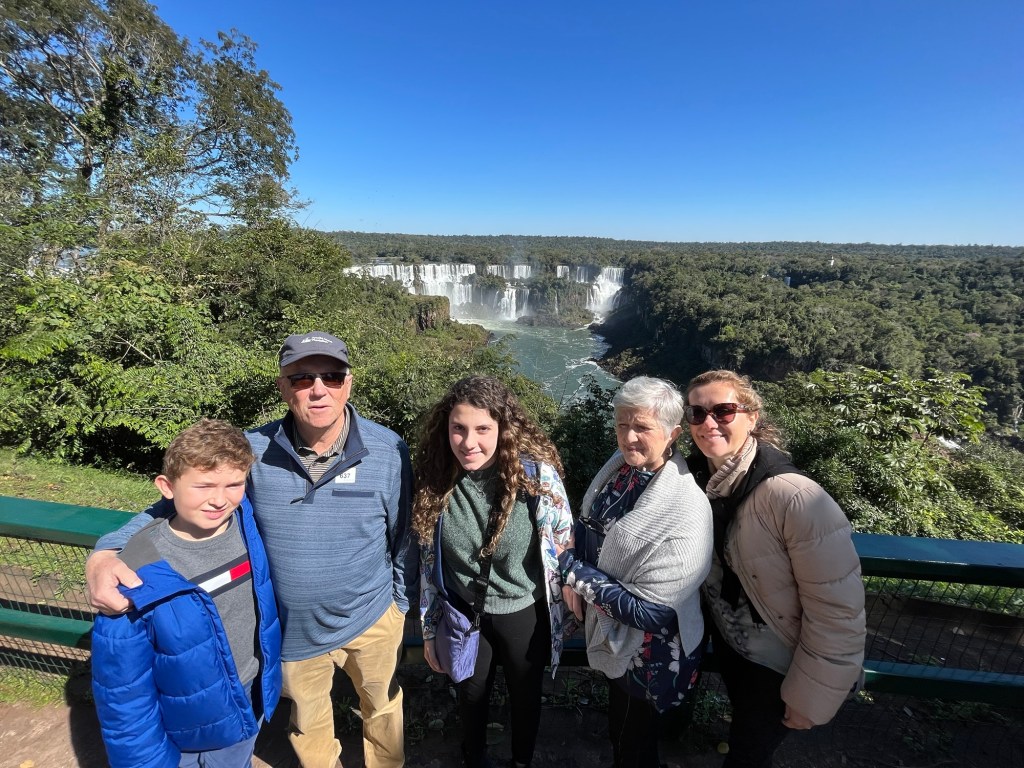
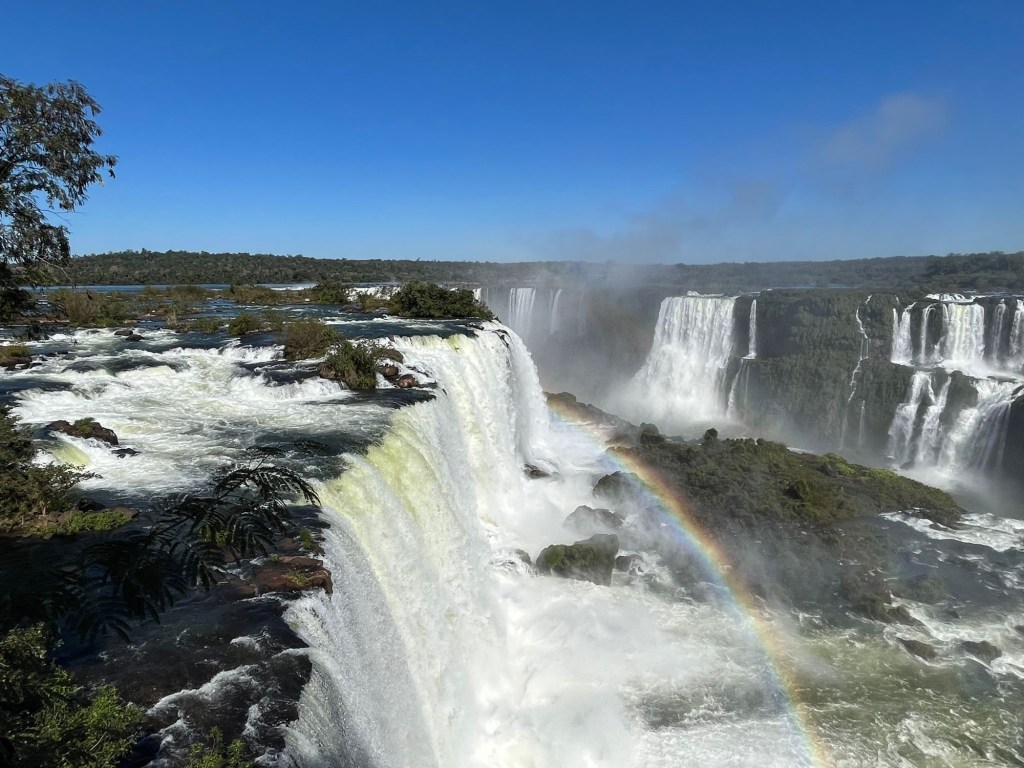
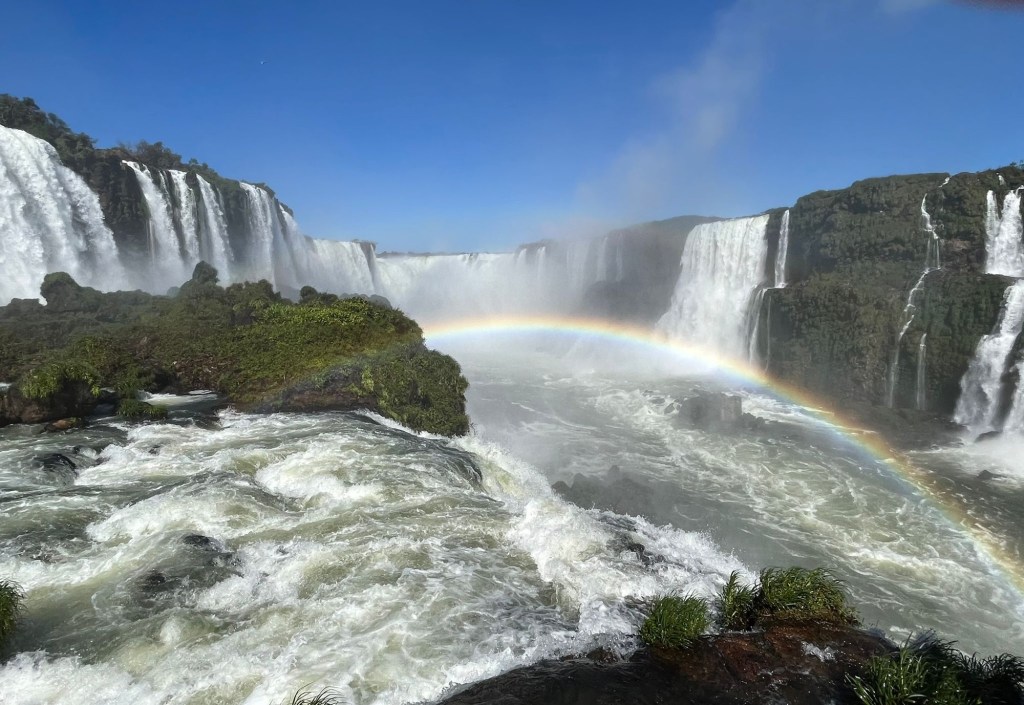
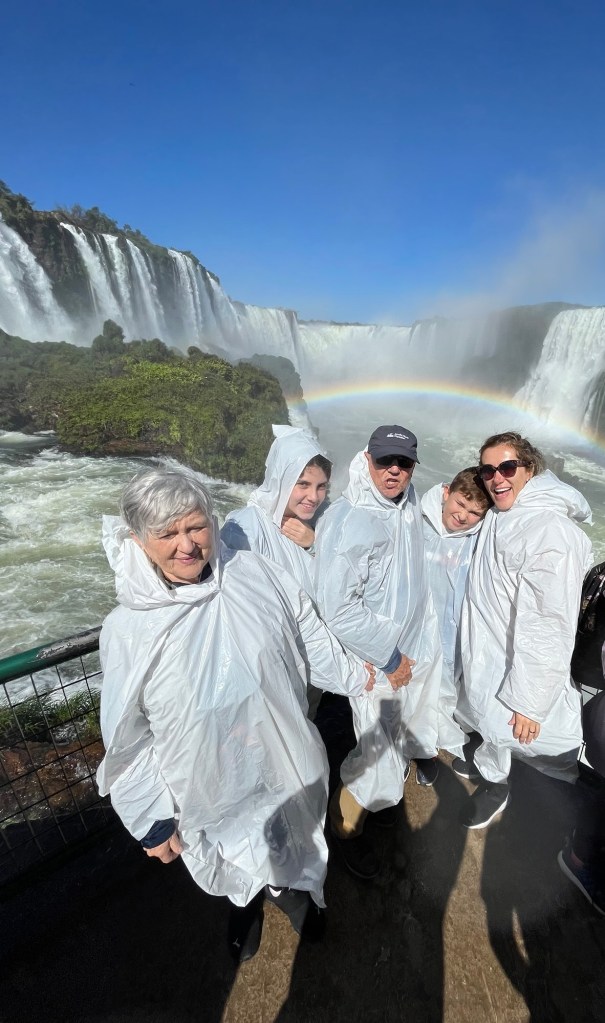
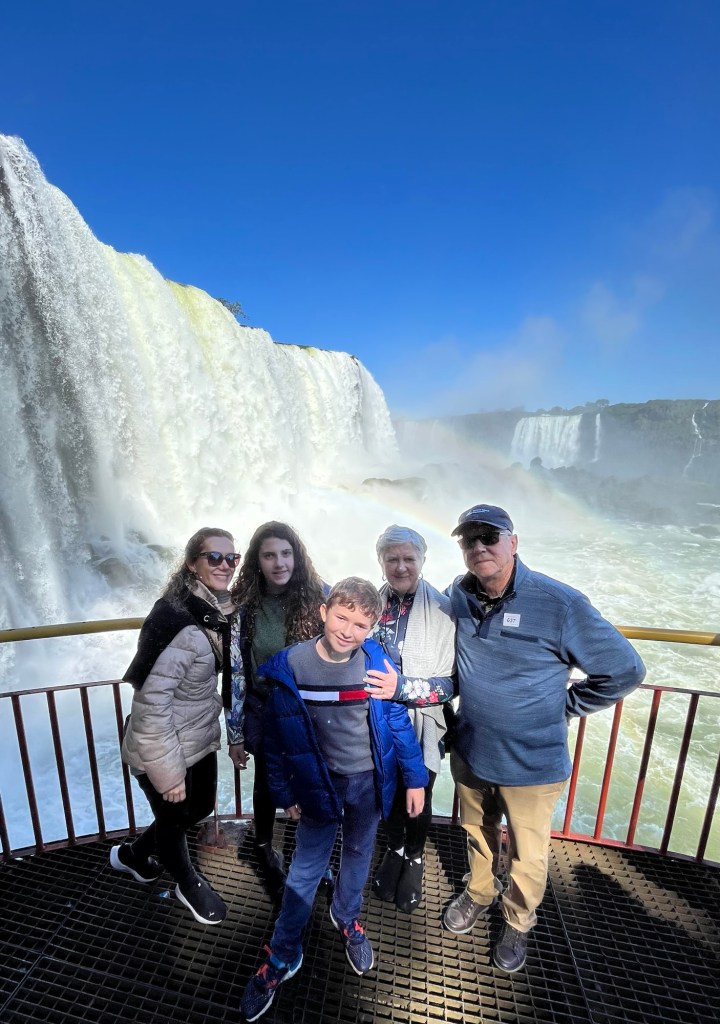
“The Cataratas do Iguaçu (Iguazu Falls) are one of the world’s largest and most spectacular waterfall systems, located on the border of Brazil and Argentina within Iguaçu National Park. The falls stretch over 2.7 kilometers and consist of 275 individual cascades, with the most famous being the Garganta do Diabo (Devil’s Throat), a U-shaped, 82-meter-high drop.
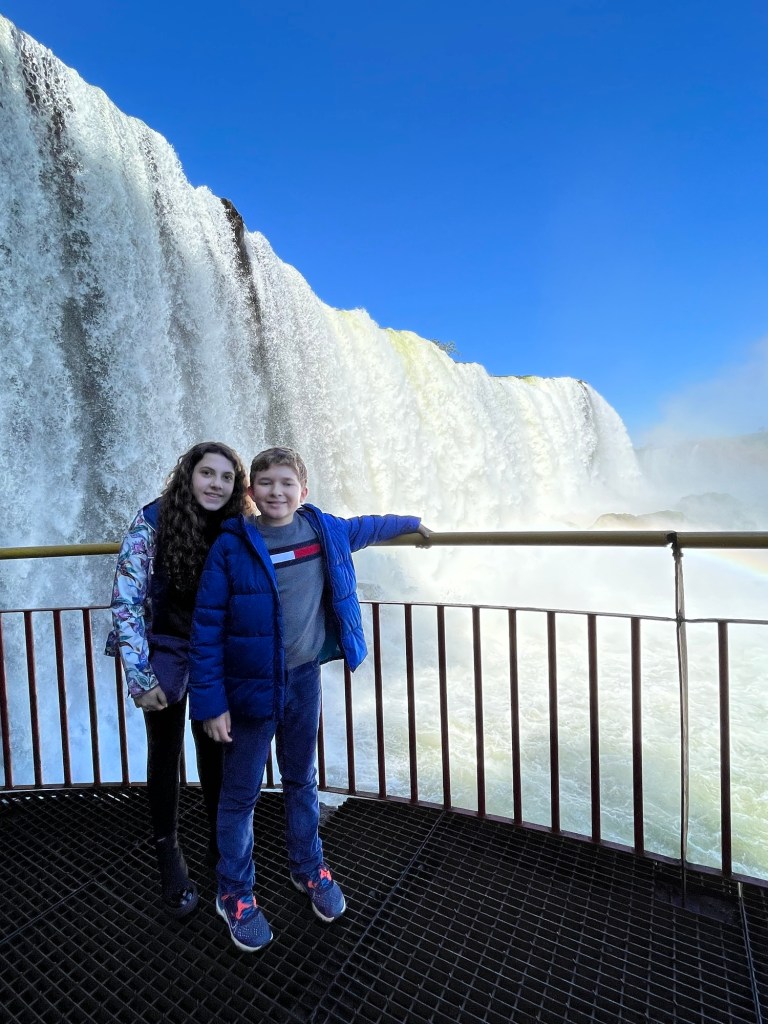
On the Brazilian side, a scenic pathway leads visitors close to the falls, offering panoramic views of the cascades and the surrounding rainforest. The highlight is the walkway extending over the Iguazu River, bringing visitors near the base of the Devil’s Throat, immersing them in mist and roaring water.” from ChatGPT.





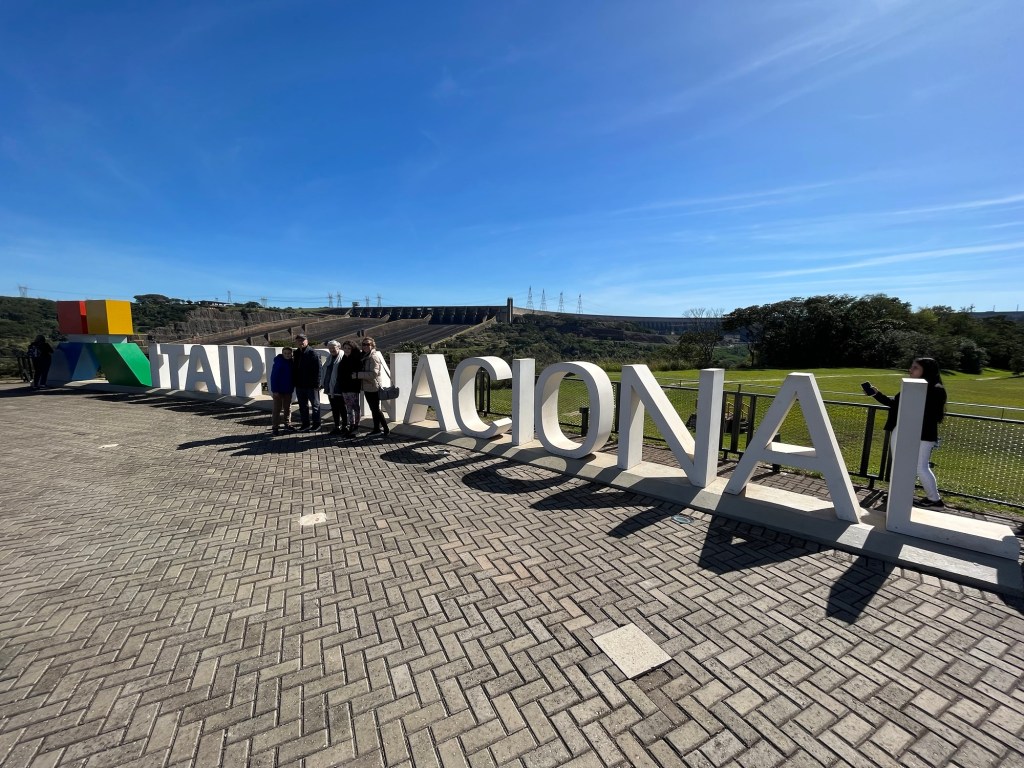
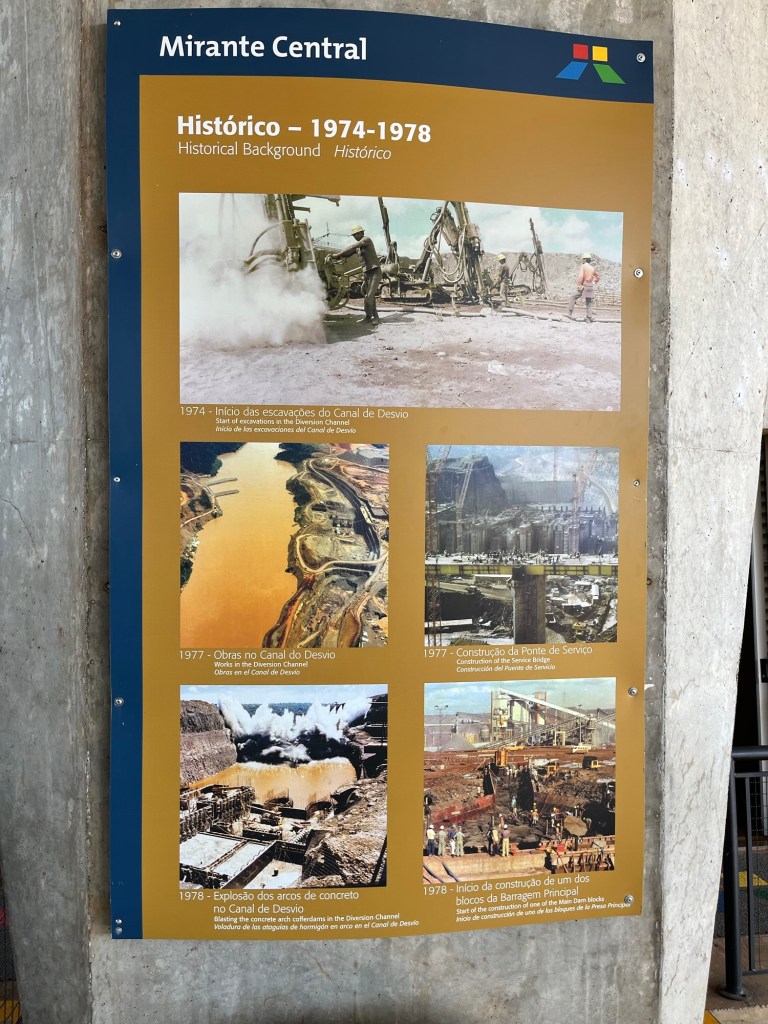
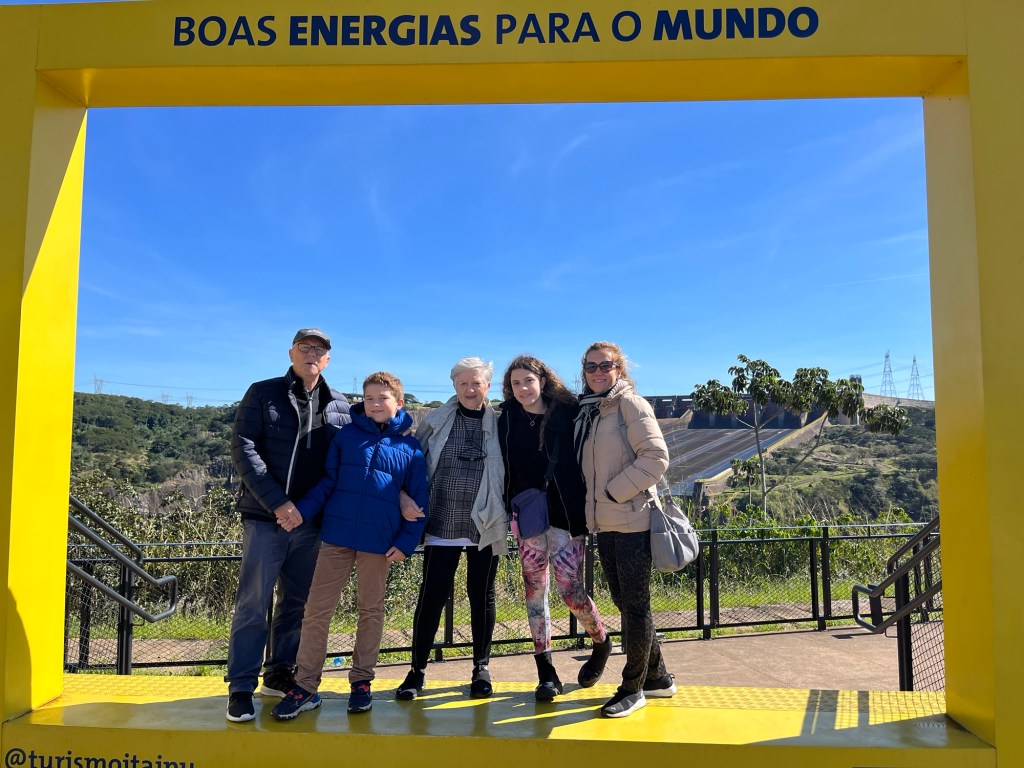
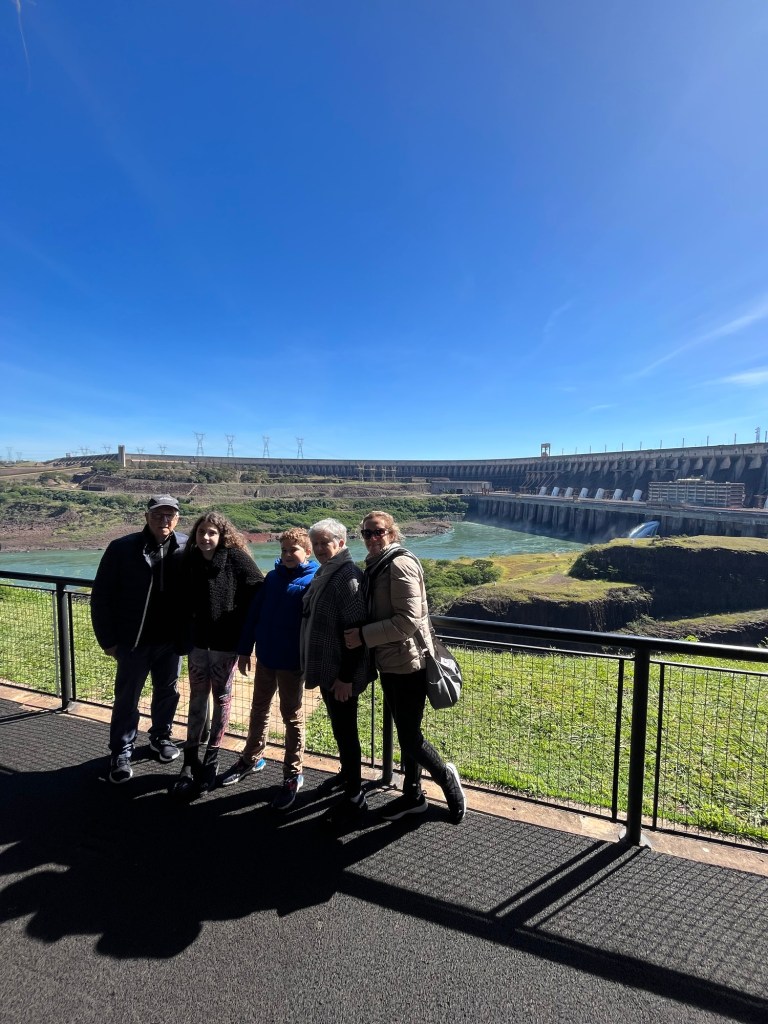
“Itaipu Binacional is one of the world’s largest hydroelectric power plants, located on the Paraná River between Brazil and Paraguay. It was inaugurated in 1984 and holds the record for the most electricity generated annually by a single facility. The dam is 7,919 meters long and 196 meters high, featuring 20 generator units with a combined capacity of 14,000 MW. Operated jointly by Brazil and Paraguay, Itaipu supplies about 10% of Brazil’s energy needs and 90% of Paraguay’s. Its construction required relocating communities and diverting the Paraná River. The plant also emphasizes environmental conservation and supports local biodiversity and social programs.” from ChatGPT.
(Foz do Iguacu 2022)
 Biel On The Go
Leave a comment